

The term “fuego” is a quintessential example of how language evolves through cultural exchange, migrating from a literal translation to a versatile piece of modern slang. At its core, the word is Spanish for “fire,” but in contemporary English-speaking circles—particularly within social media, music, and urban subcultures—the fuego meaning has shifted to represent something that is exceptionally high-quality, exciting, or visually stunning. When someone describes a photograph, a song, or an outfit as “fuego,” they are essentially using a shorthand to imply that the subject matter is “hot,” “lit,” or “on fire.”
This linguistic transformation highlights how Spanish-language loanwords have become deeply embedded in the American lexicon, transcending their original dictionary definition to serve as descriptors for excellence and status. Understanding this term requires looking beyond the literal translation and examining the sociolinguistic forces that drive slang adoption in the digital age.
Etymology and Literal Translation of Fuego
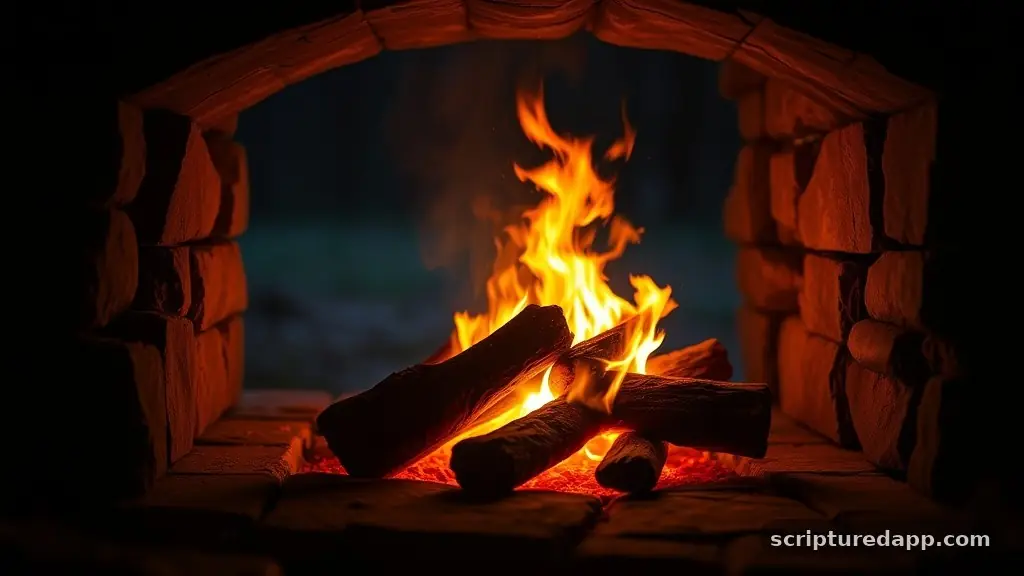
The etymology of the word “fuego” traces back to the Latin word “focus,” which originally meant “hearth” or “fireplace.” Over time, as Latin evolved into the Romance languages, the term took on the broader meaning of combustion and thermal energy. In modern Spanish, “fuego” is the standard noun for fire.
It is used in a variety of literal contexts, such as “el fuego quema” (fire burns) or “hacer fuego” (to make a fire). Throughout history, the concept of fire has been synonymous with passion, destruction, light, and transformation.
These metaphorical associations are precisely why the word remains so potent when transitioned into slang. Because fire is universally understood as a powerful element, its application to social scenarios is intuitive; when something is “fuego,” it carries the intensity and brilliance of a flame.
In many Spanish-speaking cultures, the word is also used in idiomatic expressions that hint at its later slang evolution. For instance, phrases involving fire often relate to speed, danger, or extreme heat.
This duality—the literal heat of a flame versus the metaphorical heat of a trend—creates a bridge that allows the word to jump between languages effortlessly. By analyzing the Real Academia Española, which acts as the official authority on the Spanish language, one can see how the word maintains its structural integrity while allowing for the creative, informal adaptations that have made it a staple of modern global slang.
The Evolution of Fuego as Modern Slang
The transition of “fuego” from a standard Spanish noun to a global slang term largely occurred through the influence of pop culture, particularly reggaeton, Latin trap, and hip-hop. As artists from Latin America gained massive international followings, their lyrics often utilized local idioms that were subsequently adopted by fans worldwide. When a musician describes a beat or a performance as “fuego,” they are signaling that the work is of the highest caliber.
This usage mirrors the English slang term “fire,” which has been used to describe excellent content for decades. The cross-pollination between English and Spanish speakers in metropolitan areas of the United States, such as Miami, Los Angeles, and New York, accelerated this process.
In this context, the fuego meaning acts as a superlative. If a designer releases a new collection that is highly anticipated, followers might comment “that collection is fuego” to express approval. It is a concise, punchy descriptor that conveys enthusiasm without requiring a long-winded explanation.
Unlike more complex slang terms that may have specific nuanced requirements, “fuego” is versatile. It can be applied to food, fashion, music, or even personal achievements. This ease of use is a hallmark of successful slang; it fills a gap in the vocabulary for a quick, high-energy adjective that feels more modern and culturally resonant than traditional words like “great” or “excellent.”
Distinguishing Between Literal and Figurative Usage
To navigate the usage of this term effectively, one must distinguish between when it is being used as a noun and when it is being used as an adjective. This is a common point of confusion for those learning the language or observing the slang from the outside. When a Spanish speaker says “hay un fuego,” they are referring to an actual fire, likely an emergency or a cooking flame.
However, when an English-speaking social media user says “this outfit is fuego,” they are using it as an indeclinable adjective. In this slang capacity, the word does not change based on the gender or number of the noun it modifies, which is a departure from standard Spanish grammar rules where adjectives must agree with the noun.
| Context | Usage Type | English Equivalent |
|---|---|---|
| Literal | Noun (Fire) | “The fire is warm.” |
| Figurative | Adjective (Excellent) | “That track is fire.” |
| Culinary | Description (Spicy) | “The salsa is spicy.” |
This table illustrates that while the word retains its root, the function changes significantly depending on the intent of the speaker. Recognizing this distinction prevents social misunderstandings.
Using “fuego” to describe a house fire in a casual tone would be highly inappropriate, whereas using it to describe a high-quality meal or a great song is a standard, positive expression. This duality is common in many loanwords that enter the English language, where the original meaning remains intact for literal communication, while the figurative meaning is reserved for social and cultural commentary.
Fuego in Culinary Contexts: Is It Always Spicy?
A frequent question regarding the fuego meaning involves its relationship to food. In many Latin American cultures, “fuego” is indeed associated with spicy flavors. When a dish is described as having “fuego,” it implies that the heat level is intense, potentially causing a burning sensation on the palate.
However, this is not a universal rule. If a dish is simply hot in temperature (like a fresh bowl of soup), one might use the word “caliente.” The use of “fuego” in a food context is almost exclusively reserved for chili-based heat.
This distinction is important for those exploring culinary reviews or ordering food in Spanish-speaking regions. If you see a menu item described with the word “fuego,” you should expect a high level of capsaicin. The term is often used as a marketing tool to signify a “fiery” or “bold” flavor profile.
It suggests that the dish is designed for those who enjoy a challenge or a high-intensity sensory experience. Beyond the literal spice, the term also carries a connotation of excitement.
A “fuego” taco, for example, is not just spicy; it is also implied to be the most exciting or best-tasting option on the menu. This culinary usage bridges the gap between the literal heat of a chili pepper and the figurative “heat” of a trendy, high-quality dish.
Cultural Significance and Linguistic Appropriation
The widespread adoption of “fuego” into English slang invites a broader discussion about linguistic appropriation and cultural exchange. As Spanish becomes increasingly prominent in the United States, the borrowing of terms like “fuego,” “lit,” or “chido” is a natural byproduct of a multicultural society. However, it is essential to recognize the roots of these words to use them respectfully.
When “fuego” is used as slang, it is generally viewed as a positive nod to the influence of Latin culture on global trends. Unlike some forms of appropriation that strip a term of its meaning, the slang usage of “fuego” keeps the core concept—the idea of heat and intensity—front and center.
This exchange is part of the “Spanglish” phenomenon that characterizes much of modern communication. By integrating Spanish terms into daily English, speakers are creating a shared lexicon that transcends borders. It is a sign of a globalized world where language is fluid and constantly adapting to the needs of its users.
For those who are native Spanish speakers, the rise of “fuego” as a global slang term can be seen as a form of cultural soft power. It demonstrates that the Spanish language is not just a tool for communication within specific countries, but a living, breathing force that shapes how people express joy, approval, and excitement worldwide.
Regional Variations and Global Reach

While the slang usage of “fuego” is relatively consistent across the internet, there are regional nuances to consider. In some parts of Latin America, the word might carry specific connotations or be used in local idioms that differ from the “cool/excellent” meaning popular in the United States.
For instance, in certain Caribbean dialects, the word might be paired with other terms to create a specific vibe or mood. When analyzing the fuego meaning on a global scale, it is clear that the term has transcended its origins to become a “digital native” word.
In the digital landscape, the word is often accompanied by the fire emoji (🔥). This visual shorthand reinforces the meaning across language barriers. Even if a user does not speak a word of Spanish, they understand that the fire emoji represents something that is “hot” or “trending.”
This convergence of linguistic and visual semiotics has allowed “fuego” to maintain a stable meaning across social media platforms like Instagram, TikTok, and Twitter. Regardless of whether the user is in Madrid, Bogota, or Tokyo, the combination of the word “fuego” and the fire emoji carries a universally understood message of high quality and intense appeal. This global consistency is rare in slang, which is often hyper-local and quick to fade.
Common Idioms and Phrases Involving Fuego
There are several phrases where “fuego” is used in a more complex way than a simple one-word adjective. Understanding these can provide deeper insight into how the word functions in natural conversation.
* “Echar leña al fuego”: This translates literally to “throwing wood on the fire.” Figuratively, it means to make a bad situation worse or to provoke a conflict.
It is a cautionary phrase that highlights the destructive potential of fire.
* “Jugar con fuego”: Meaning “playing with fire,” this is used to describe someone who is engaging in a dangerous activity or taking unnecessary risks.
* “Estar a fuego”: In some urban dialects, this means to be in a state of high readiness, focus, or to be “locked in.” It implies that someone is performing at their peak, similar to being “in the zone.”
* “Fuego amigo”: This is the direct translation of “friendly fire,” used in military contexts to describe accidental attacks on one’s own forces, but it can sometimes be used metaphorically in social settings to describe an accidental insult from a friend.
These phrases demonstrate that the word is deeply embedded in the Spanish language’s idiomatic structure. While the slang usage is the most visible to English speakers, the traditional idioms provide the foundation for why the word carries such weight. When someone uses “fuego” in a modern context, they are tapping into centuries of linguistic history where fire represents both the peak of power and the risk of ruin.
How to Use Fuego Correctly in Conversation
Using “fuego” correctly requires a sense of timing and context. Because it is a slang term, it is best reserved for informal settings. Using it in a professional or academic environment might come across as overly casual or unprofessional.
However, in creative fields, marketing, or social media interaction, it is a perfectly acceptable way to show enthusiasm. The key is to avoid overusing it. Like any slang, its impact is diluted if it is used in every sentence.
When using it, focus on the “intensity” aspect of the fuego meaning. Use it to describe things that have a high level of energy, style, or quality. If you are describing a great piece of art, a high-performance car, or a particularly impressive athletic feat, “fuego” is a fitting descriptor.
It is also important to be aware of your audience. If you are speaking with someone who is a native Spanish speaker, be mindful that they might perceive the term differently depending on their home country. While most will understand the slang usage due to the internet, it is always helpful to be aware that the word has multiple layers of depth.
Addressing Topical Gaps: Fuego vs. Lit vs. Fire
A common point of confusion is how “fuego” compares to other slang terms like “lit” or the English word “fire.” While they are often used interchangeably, there are subtle differences in their usage and cultural weight. “Lit” often refers to an atmosphere, a party, or a state of excitement.
You would say “the party was lit,” but you might not say “the party was fuego.” “Fuego,” by contrast, is more often applied to objects, content, or performances—things that have an inherent “quality” to them.
“Fire” (in English) is the direct equivalent of the slang “fuego.” In many ways, they are synonymous. However, using “fuego” adds a layer of flair and cultural specificity that “fire” lacks.
It signals that the speaker is part of a globalized, cross-cultural conversation. When you choose to use “fuego” instead of “fire,” you are making a stylistic choice to lean into the Latin influence that has become so prevalent in modern pop culture. The primary gap in existing content is the failure to distinguish between these terms; by understanding that “fuego” acts as a more specific, stylistically charged version of “fire,” you can better tailor your language to fit the vibe you want to project.
The Future of Fuego in Global Vernacular
As we look toward the future, it is likely that “fuego” will remain a permanent fixture in the global lexicon. The internet has created a mechanism for the rapid spread and normalization of slang, and “fuego” has successfully crossed the threshold from “temporary trend” to “stable vocabulary.” Its simplicity, combined with the evocative power of the fire imagery, ensures that it will continue to be used as a shorthand for excellence.
We may see further evolution where the word is used in even more abstract ways, perhaps even entering corporate marketing jargon as a way for brands to appear “down to earth” or “youthful.” However, the core of the fuego meaning—the idea of something being hot, intense, and high-quality—is unlikely to change.
As long as people continue to value high-energy content and bold aesthetics, they will reach for words that capture that intensity, and “fuego” is perfectly positioned to remain at the top of that list. Whether it is used in a song, a tweet, or a casual conversation, the word carries a spark that connects speakers across different cultures and backgrounds.
Frequently Asked Questions
What does fuego mean in slang?
In modern slang, fuego is used to describe something that is excellent, high-quality, or visually impressive. It is the Spanish word for “fire,” and when applied to things like music, fashion, or food, it acts as a superlative, similar to the English slang term “fire.”
Does fuego mean spicy?
Fuego can mean spicy, but only in a culinary context. When describing food, it refers to the heat produced by chili peppers. However, when used as general slang to describe an object or an event, it does not refer to spiciness; it refers to the “heat” of the trend.
What is a fuego in English?
The direct English translation of fuego is “fire.” In a slang context, there is no direct one-word translation other than using the word “fire” itself. It is a loanword that retains its Spanish form while carrying the same figurative meaning as its English counterpart.
What does “muy fuego” mean?
“Muy fuego” translates literally to “very fire.” In slang, it is used to emphasize that something is exceptionally good or intense. It is a way of adding extra weight to the compliment, indicating that the subject is not just good, but at a very high level of quality.
Meta Description: Discover the true fuego meaning. Learn how this Spanish word for fire evolved into global slang for excellence, its cultural roots, and how to use it.