
The pacu meaning refers to the Post-Anesthesia Care Unit, a specialized clinical environment where medical professionals provide critical observation to individuals immediately after they undergo surgical procedures. You might hear people call it the recovery room, but in a hospital setting, the technical term is almost always PACU.
It’s the bridge between the sterile, high-intensity atmosphere of the operating room and the relative stability of a general ward or the patient‘s eventual journey home. This unit is specifically designed to manage the physiological aftermath of anesthesia, ensuring that vital signs stabilize and that any immediate adverse reactions are caught and treated within seconds.
When a person wakes up from surgery, their body is often in a state of chemical flux. The drugs used to keep them unconscious or pain-free haven’t fully worn off, which creates a window of vulnerability.
This is where the PACU team steps in. Their primary focus isn’t just “waking up” the patient; it’s about maintaining airway patency, managing hemodynamic stability, and controlling acute pain levels that can spike as local blocks or systemic sedatives fade.
The Core Function of the Post-Anesthesia Care Unit
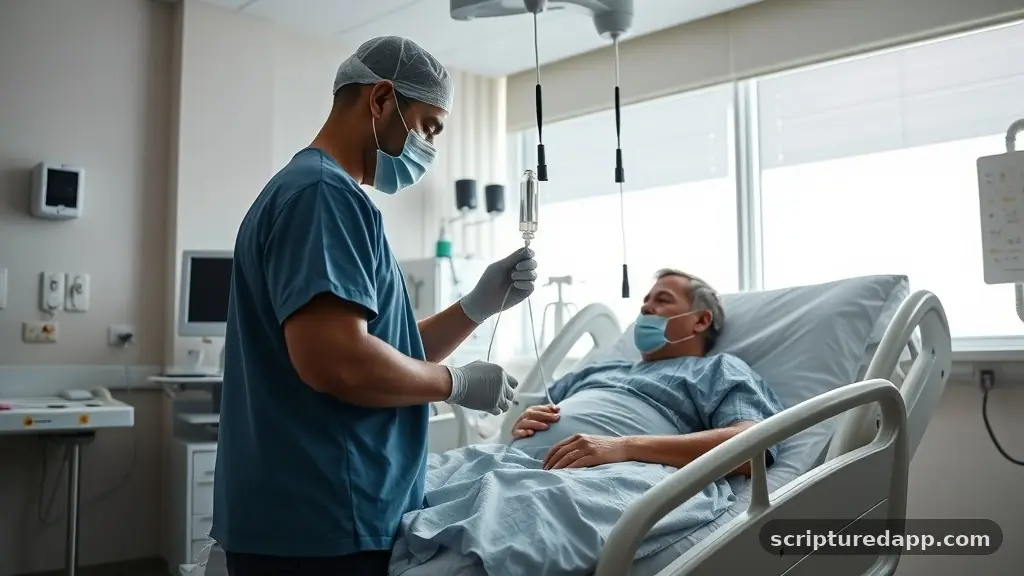
At its most fundamental level, the PACU exists to support the life functions of a patient whose body is struggling to regulate itself due to the residual effects of medical sedation. The pacu meaning is tied directly to the concept of transition.
You aren’t quite ready for a regular room, but you no longer require the constant, aggressive mechanical support of the operating theater. The unit acts as a safety net.
Medical teams inside this area are trained to look for subtle changes. They track blood pressure, heart rate, oxygen saturation, and respiratory depth with extreme precision. If a patient’s blood pressure drops, the staff knows exactly which protocols to trigger to bring it back into a safe range.
If a patient begins to experience shivering or nausea—two extremely common side effects of modern anesthesia—they have the appropriate medications ready to administer. This isn’t just watching a monitor; it’s about interpreting what the data means for the specific physiology of the individual in the bed.
What Pacu Nurses Do Each Day
The pacu nurse is a highly specialized clinician who functions as the first line of defense for the recovering patient. Their job is physically and mentally demanding.
Unlike floor nursing, where you might have a roster of five or six patients, PACU nursing usually involves a 1:1 or 1:2 ratio. This allows for the kind of intense, continuous monitoring that is simply impossible on a standard ward.
A typical day for these nurses involves receiving a “hand-off” from the anesthesia provider. They get a detailed report on exactly what drugs were given, how the patient reacted during the procedure, and what specific risks they need to watch for.
They are constantly assessing the patient’s level of consciousness, checking surgical sites for bleeding, and managing the delicate balance of pain medication. It’s a job that requires a mix of technical proficiency with machines and a deep, intuitive sense of when something “just isn’t right” with a patient.
The Difference Between PACU and General Recovery
People often confuse a standard recovery area with the formal PACU, but the distinction is vital. While a recovery room might just be a partitioned space in a small clinic, a formal PACU is an advanced medical environment equipped to handle full-scale emergencies. It is essentially an extension of the operating room.
The infrastructure in a PACU is built for speed and access. Every bed has wall-mounted suction, oxygen, and multiple power sources. The staff is always within arm’s reach.
You’ll find that the equipment here is identical to what is found in an intensive care unit, though the goal is to stabilize the patient enough to move them out, rather than keeping them for long-term care. You can learn more about the standards for these units through the American Society of Anesthesiologists. They set the benchmarks for what constitutes safe post-anesthesia practice, ensuring that every hospital follows a consistent protocol regardless of size or location.
Managing Pain and Medications After Surgery
Pain management is arguably the biggest hurdle for patients in the unit. As the anesthesia wears off, the reality of the surgical trauma sets in. The PACU staff has to navigate the fine line between providing enough analgesia to keep the patient comfortable and avoiding over-sedation, which could cause respiratory depression.
They use a variety of tools, from intravenous opioids to non-narcotic nerve blocks. The goal is to get the patient to a point where they can tolerate oral medication or a less aggressive delivery system before they are transferred to a recovery ward.
This process is highly individual. Some patients wake up clear-headed and relatively pain-free, while others require intense, focused intervention for the first few hours.
| Factor | Immediate PACU Care | General Ward Recovery |
|---|---|---|
| Staff-to-Patient Ratio | 1:1 or 1:2 | 1:4 or 1:6 |
| Monitoring Frequency | Continuous/Every 5-15 mins | Every 4-8 hours |
| Primary Goal | Stabilization | Recovery & Rehabilitation |
| Emergency Readiness | High (Crash cart at bedside) | Moderate (Code team response) |
Topical Gaps: What Most Discussions Miss
When we talk about the pacu meaning, many resources focus only on the nurses and the machines. They ignore the psychological reality of the environment. Waking up in a PACU is often a disorienting experience.
Patients are often cold, confused, and sometimes agitated as they emerge from deep sedation. This “emergence delirium” is a documented phenomenon, yet it is rarely explained to patients beforehand.
Another gap in common knowledge is the role of the PACU in temperature management. Anesthesia causes the body to lose its ability to regulate temperature, leading to hypothermia in many patients.
A huge part of the work in the unit is “active warming”—using forced-air blankets and heated IV fluids to bring the patient back to a normal core temperature. It’s a subtle but critical part of the recovery process that rarely makes it into the brochures but is a massive part of the nurse’s daily workload.
Monitoring Vital Signs and Hemodynamic Stability
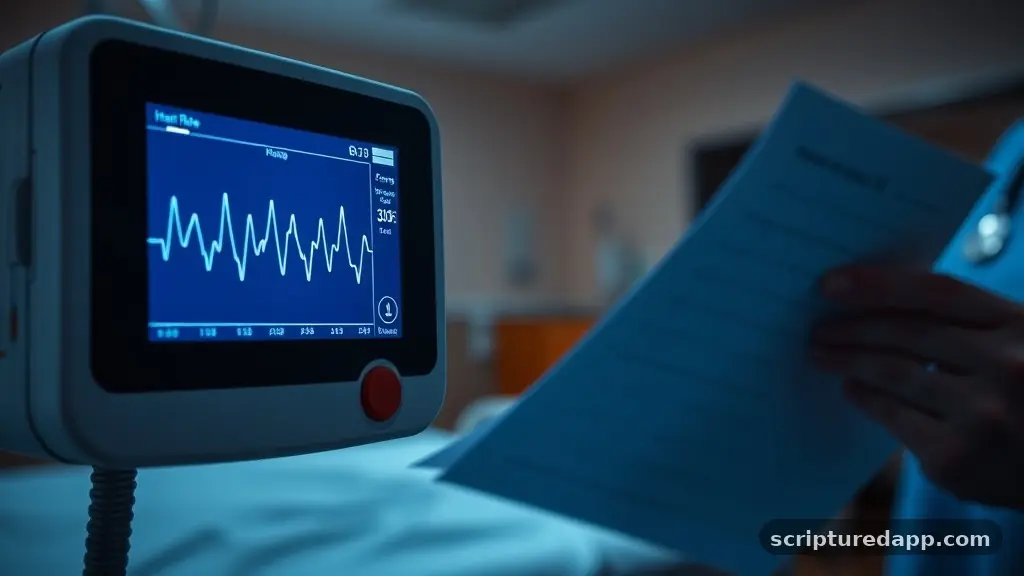
The machines in a PACU are essentially the patient’s external nervous system. They track everything from the electrical activity of the heart to the partial pressure of carbon dioxide in the blood.
For the staff, these numbers are not just statistics; they are a language. A sudden drop in a patient’s heart rate doesn’t just mean a number changed; it tells the nurse that there might be a vagal response or a reaction to a specific medication that was administered minutes prior.
Maintaining stability is the primary objective. If a patient is going to have a complication, it almost always happens in the first hour.
By keeping a constant eye on these vital signs, the team can intervene before a minor issue spirals into a major crisis. It is a high-pressure environment, but it is also one of the most effective safety systems in modern medicine.
The Transition Process to Home or Inpatient Care
The end of the PACU stay is marked by a specific discharge criteria. You don’t just “leave” the unit because a certain amount of time has passed. There is a checklist.
The patient must be awake, alert, and able to maintain their own airway. Their pain must be manageable, and their vital signs must be within a stable range for a sustained period.
If the surgery was minor, the patient might be cleared for discharge to home. If the procedure was major, they are transferred to an inpatient floor. This hand-off is a high-risk time.
The information transferred between the PACU nurse and the ward nurse must be perfect. Any omission regarding a medication allergy or a specific surgical risk could lead to complications later on. The system is designed to be redundant, ensuring that the patient’s clinical history follows them until they are fully recovered.
Common Complications and How They Are Handled
Even with the best care, surgeries carry inherent risks. Nausea and vomiting are the most frequent complaints in the PACU.
This is often a result of the anesthesia agents themselves or the sudden movement of the patient. The staff is prepared for this with anti-emetic medications, which are often administered preventatively if the patient is known to be sensitive.
Another major concern is respiratory distress. This can range from simple airway obstruction due to the tongue relaxing, to more complex issues like pulmonary edema.
Because the PACU is equipped for airway management, the staff is ready to assist with jaw thrusts, oral airways, or even re-intubation if it becomes necessary. While re-intubation is rare, the fact that the unit is ready for it provides a massive layer of safety that simply doesn’t exist anywhere else in the hospital.
The Human Element of Postoperative Care
Beyond the beeping monitors and the sterile IV lines, the PACU is a space where human interaction matters. Patients are at their most vulnerable. They are often frightened, groggy, and in pain.
The tone of the room matters. Nurses often use a calm, reassuring voice to ground the patient as they regain consciousness.
This “humanization” of the medical process is a core part of the pacu meaning. It isn’t just about the biology of recovery; it’s about the psychology of it. A patient who feels safe and supported is often a patient who recovers faster.
The staff acknowledges this by explaining what is happening, why they are attached to certain machines, and what the next steps will be. It’s a brief, intense relationship, but it’s one of the most vital interactions in the entire surgical experience.
Why the PACU Environment is Unique
The design of a PACU is intentional. It is usually an open-plan space. This isn’t for lack of privacy, but for visibility.
By keeping all the beds in one line-of-sight, the head nurse can see every patient at once. If a monitor starts alarming on one side of the room, the entire team is aware.
This “open” design creates a culture of collaborative support. If one patient starts to crash, you will often see nurses from neighboring bays jump in to help without being asked.
There is a collective sense of responsibility that is unique to this department. It’s a high-stakes, high-trust environment where the team functions as a single unit rather than a collection of individuals.
Frequently Asked Questions
What does the acronym PACU actually stand for?
PACU stands for Post-Anesthesia Care Unit. It is the specialized area within a hospital or surgical center where patients are taken immediately after a procedure to recover from the effects of anesthesia and to ensure their vital signs are stable before moving to a room or going home.
How long do people typically stay in the PACU?
Most patients stay in the PACU for about one to two hours. However, the duration varies based on the type of anesthesia used, the complexity of the surgery, and how quickly the patient’s body metabolizes the medications. Some may stay longer if they require extra monitoring.
Why is it important to have a nurse at the bedside at all times?
The period immediately after anesthesia is high-risk because a patient’s breathing, heart rate, and blood pressure can fluctuate rapidly. A 1:1 or 1:2 nurse-to-patient ratio ensures that any physiological changes are detected instantly, allowing for immediate medical intervention to prevent complications from escalating.
Will I remember my time in the PACU?
Most people have very little memory of their time in the PACU. Due to the lingering effects of sedative and anesthetic medications, patients often drift in and out of sleep. It is completely normal to wake up, speak with a nurse, and have no memory of the conversation later.
Is the PACU the same as the ICU?
No, they are different units. While both provide intensive monitoring, the PACU is strictly for short-term recovery from anesthesia. The Intensive Care Unit (ICU) is designed for patients who need long-term, specialized support for severe illnesses or injuries that require constant, complex medical intervention over days or weeks.
Meta Description: Learn the pacu meaning, how the post-anesthesia care unit works, the role of specialized nurses, and why it is critical for surgical recovery.