
The wbu meaning is essentially a shorthand way of saying “what about you?” It’s a staple of modern digital communication, acting as a quick, efficient way to keep a conversation moving without having to type out a full sentence.
When someone sends you a message and you want to acknowledge their input while shifting the focus back to them, this acronym is your go-to tool. It’s casual, it’s brief, and it fits perfectly into the fast-paced nature of mobile messaging apps like WhatsApp, iMessage, or social media direct messages.
Decoding the Acronym and Its Origins
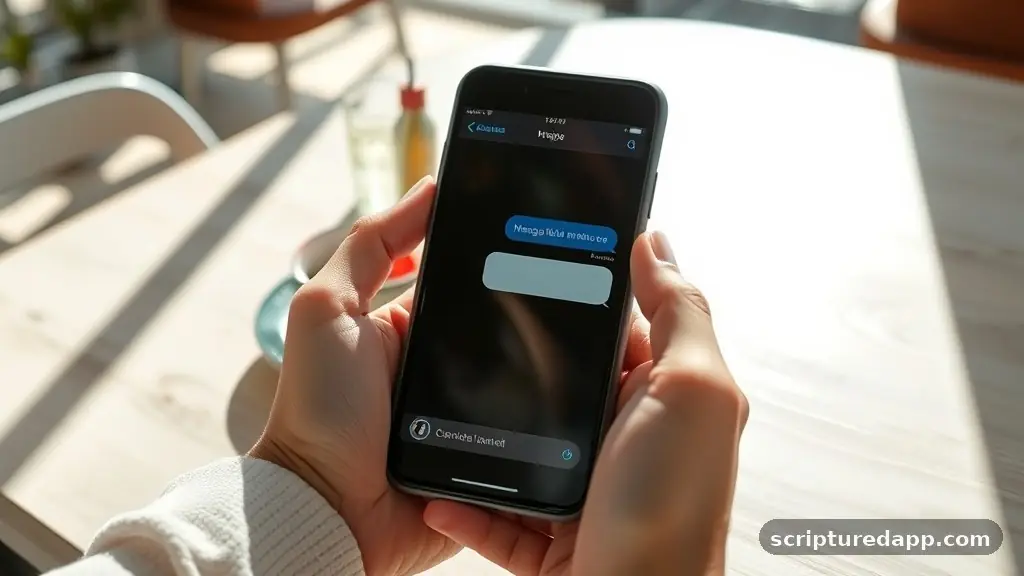
At its core, the wbu meaning stands for “what about you.” It serves as a reflexive prompt, allowing the sender to return a question to the person they are talking to. If you look back at the history of internet relay chat or early SMS culture, you’ll see why these abbreviations became so popular.
Character limits on early mobile plans meant that every letter cost money or space. People naturally gravitated toward shorter versions of common phrases to save time and effort.
This specific term belongs to a wider category of slang words used in digital text. It functions primarily as a conversational bridge. When you are asked “How is your day going?” replying with “Good, wbu?” keeps the dialogue symmetrical.
It shows that you aren’t just interested in talking about yourself, but you also value the other person’s experience. It’s a social lubricant for text-based interactions where tone can sometimes be hard to read. By using this, you indicate that the conversation is a two-way street.
Contextual Usage in Daily Messaging
You’ll typically see this acronym used in informal settings. It’s not something you would put in a formal business email or a cover letter, but it’s perfect for a quick check-in with a friend or a partner. The beauty of the term lies in its versatility.
You can use it after almost any inquiry regarding your personal status, feelings, or plans. It’s most effective when the preceding question is open-ended enough that a simple “I’m fine” doesn’t quite close the loop.
Consider a situation where you are chatting about weekend plans. If your friend asks, “I’m thinking about going to the movies, what are you doing?” you might reply, “I’m just staying in to read, wbu?” This simple exchange uses the term to pivot the conversation back to their plans.
It acknowledges your own activity and immediately prompts them to continue sharing. It is a low-pressure way to keep the conversation flowing without needing to come up with a new topic yourself.
Variations and Common Alternatives
While “wbu” is very popular, it isn’t the only way to express this sentiment. You might encounter variations depending on the platform or the region. For instance, some people prefer “wby,” which stands for “what about you” as well, just using a different letter for the final word.
The wbu meaning remains identical regardless of whether you use the ‘u’ or the ‘y’. It’s largely a matter of personal preference or regional dialect in how people choose to shorten their phrases.
Another common pairing is “nm wbu,” which translates to “not much, what about you?” This is probably the most frequent combination you will see online. It’s a standard response to the “What’s up?” or “What are you doing?” opening.
By combining the two, you effectively answer the initial question and reset the stage for the other person to fill in the silence. It’s a highly efficient way to manage multiple chats simultaneously, especially when you are busy but still want to maintain social connections.
| Acronym | Common Translation | Typical Usage Context |
|---|---|---|
| WBU | What about you? | Returning a question during casual chat. |
| WBY | What about you? | A regional variant, often used interchangeably. |
| NM WBU | Not much, what about you? | Standard opening response to “What’s up?” |
| HBU | How about you? | Used when comparing opinions or feelings. |
The Social Dynamics of Returning Questions
Why do we feel the need to use these acronyms? Human interaction is fundamentally built on reciprocity. When we ask a question, we expect a response.
When we answer one, we implicitly expect the other person to follow up. Using this acronym is a polite way to signal that you’ve heard them and are ready to listen to their side of things. It’s a linguistic tool that manages the rhythm of a text-based chat, which lacks the non-verbal cues we rely on in face-to-face meetings.
Sometimes, failing to return the question can make a person seem self-centered or disinterested. If you only talk about yourself, the other person might feel like they are just reading a status update rather than having a dialogue. By inserting this acronym, you demonstrate interest in the other person’s life.
It’s a small, subtle gesture that maintains the balance of the relationship. Even in a digital space, these norms of social etiquette still apply, and using shorthand like this helps keep things feeling natural and connected.
Topical Gaps: Nuances Often Ignored
Many articles about slang focus solely on the dictionary definition, but the wbu meaning is more than just a literal translation. A nuanced detail often missed is the “pause” effect. In a text message, if you respond with “Good, wbu?” you are creating a deliberate pause.
You are signaling that you are ready to pivot. If you were to instead say “Good, and how is your day going?” it sounds much more formal and potentially more serious. The acronym keeps the tone light and breezy.
Another gap in common knowledge is how the term changes depending on the relationship. If you are texting a stranger or someone you just met on a dating app, using “wbu” can sometimes come across as too passive. It can indicate a lack of effort to keep the conversation engaging.
In these instances, you might want to replace the acronym with a more specific follow-up question to show you are paying attention. Knowing when to use it and when to expand your sentences is a key part of digital literacy. For more on how language evolves, you can check out the Merriam-Webster guide on slang to see how these terms settle into common usage.
When to Avoid Using This Acronym

Despite its utility, there are times when you should skip the shorthand. If you are discussing something serious, emotional, or professional, using “wbu” can come across as dismissive.
Imagine a scenario where a friend is telling you about a difficult situation they are facing. If they finish their story and you simply reply with “wbu,” it looks like you aren’t really listening or that you don’t care about the gravity of the situation.
In emotional contexts, it is always better to provide a thoughtful, full-sentence response. You want to show empathy and active engagement, which is difficult to convey with a three-letter acronym. Similarly, in a workplace environment, even if you are on friendly terms with a coworker, it is usually best to avoid excessive slang.
It can make you seem less professional or less articulate. Stick to the acronym for casual, low-stakes interactions where speed and brevity are the primary goals.
Regional and Generational Differences
The way people use text abbreviations often changes based on age and geography. Younger generations, who have grown up with smartphones as their primary mode of communication, use these terms almost instinctively.
It’s not even a conscious choice; it’s just how they type. For older generations who might have transitioned from email to messaging later in life, these terms might feel more forced or confusing.
Furthermore, there can be regional variations. While “wbu” is widely understood across English-speaking countries, some regions might favor different terms. You might find that in certain groups, “hbu” (how about you) is used more frequently than “wbu.”
The wbu used in one country might be slightly less common in another, though the global nature of the internet is quickly homogenizing these terms. The core intent remains the same regardless of the specific letters used: it’s all about keeping the flow of information balanced.
How to Respond When Someone Sends WBU
If you receive this acronym, don’t overthink it. It is rarely a test or a complex code. The person is simply asking you to share your thoughts or status.
The best response is to answer the implicit question and then offer a bit of detail. If the conversation was about your day, tell them something specific that happened. If you just give a one-word answer, you risk stalling the conversation you just worked to keep alive.
- Acknowledge their input first.
- Provide a brief update on your own situation.
- Ask a follow-up question if you want the talk to continue.
- Use the same casual tone to match their energy.
This approach turns a simple acronym exchange into a meaningful interaction. Remember that the goal of using these terms is to facilitate connection.
By treating the acronym as a prompt rather than a dead-end, you can keep the dialogue engaging and fun. It’s all about the rhythm of the back-and-forth.
The Future of Digital Shorthand
As technology evolves, our ways of communicating will likely continue to shift. We are already seeing a rise in voice notes and video messages, which may eventually reduce our reliance on text-based acronyms. However, the wbu meaning will likely persist as long as we use keyboards to interact.
There is a fundamental human need for efficiency. When we are typing on a small screen while on the go, we will always look for ways to say more with less.
We might see new versions of these acronyms emerge as platforms change, but the underlying social function remains constant. We use these tools to maintain relationships, show interest, and manage the flow of information.
Whether it’s called “wbu,” “wby,” or something entirely new, the act of asking “what about you” is a cornerstone of friendly interaction. It’s a simple, elegant way to acknowledge the other person and keep the bond strong.
Commonly Asked Questions About This Term
Is it rude to use WBU in a text?
Generally, no. It is not considered rude in casual, informal conversations with friends or family. However, it can appear dismissive if used during a serious, emotional, or professional discussion where a more thoughtful and detailed response is expected by the other person.
What is the difference between WBU and HBU?
The difference is minimal. “WBU” stands for “what about you,” while “HBU” stands for “how about you.” They are effectively used interchangeably in most texting scenarios to return a question to the other person and keep the conversation moving forward naturally.
Can I use WBU in a professional email?
You should avoid using it in professional emails. Workplace communication generally requires full sentences and a more formal tone. Using internet slang can make you appear less professional or less serious about the subject matter you are discussing with your colleagues or clients.
Why do people use WBU instead of asking a full question?
People use it primarily for speed and convenience. When texting, especially on mobile devices, typing out a full sentence like “What about you?” takes more time and effort. Using an acronym allows for a quick, efficient exchange that keeps the flow of the conversation smooth.
Meta Description: Learn the wbu meaning and how to use this popular texting acronym correctly. Discover its origins, usage tips, and when to avoid it in conversation.