

When you encounter the word dover, your mind might jump to a few different places depending on where you grew up or what you’ve read. The dover meaning is not singular; it is a linguistic chameleon that shifts from a geographic identifier to a culinary descriptor.
At its core, the term is anchored in the ancient history of England, specifically the white cliffs that have stood as a sentinel over the English Channel for millennia. Whether you are looking at a map, a menu, or a historical text, the name carries weight, resonance, and a deep connection to the way humans have traversed the north sea and the wider Atlantic for centuries.
The Etymological Roots of the Name

To understand the dover meaning, we have to look back at the Celtic and Old English influences that shaped the British landscape. Linguists generally agree that the name stems from the ancient British word dubras, which translates roughly to the waters. This is a classic example of how topography influences nomenclature.
The early inhabitants of the area didn’t just name the location; they described it based on the most prominent feature: the rushing, tidal environment of the channel. Over time, this evolved through the Latin term Dubris during the Roman occupation, eventually settling into the modern spelling we recognize today.
The transition from Dubras to the current form shows how phonetic shifts occur over hundreds of years. When the Romans arrived, they fortified the port because they recognized its strategic value. They were essentially linking the continent to the island of Britain.
This historical context is vital because it explains why the name persists. It isn’t just a label; it’s a fossilized record of a natural harbor that has served as a gateway for trade, invasion, and migration. When you say the word, you are effectively invoking a bridge between the ancient world and the modern era.
Geographic Significance of the Port
Geographically, the city of Dover is defined by its proximity to the narrowest point of the English Channel. This specific location makes it the most critical maritime gateway in the United Kingdom. If you look at a map, you can see the short distance between the English coast and the shores of France.
This proximity is the reason why the name became synonymous with transit. For centuries, travelers have crossed these dubras waters to reach the mainland. It is a place of transit, a place of arrival, and for many, a place of departure.
The dover region isn’t just about the water, though. It’s defined by the geology of the area. The famous white cliffs, composed largely of chalk, provide a striking visual that has been immortalized in poetry and song.
These cliffs act as a massive sea wall. Because of this, the port is protected from the worst of the weather, which allowed it to flourish when other, less sheltered harbors failed.
It is a point of intersection where geology dictates human activity. The name itself carries the weight of this intersection, serving as a shorthand for the connection between two great nations.
The Culinary Association: Dover Sole
A common inquiry regarding the dover meaning involves the culinary world, specifically the famous Dover sole. This is a high-quality flatfish that is prized in European kitchens. The name here is a bit of a misnomer, or at least a historical accident.
While the fish is often associated with the port, the primary market for this species was actually London. The name stuck in the 19th century because the fish were brought into the London markets via the port of Dover. It is a classic case of a product being named after its primary point of transit rather than its point of origin.
When you order this fish in a restaurant today, you aren’t necessarily eating a creature caught directly off the coast of the town. Instead, you are enjoying a legacy naming convention. The fish itself is a noun that has become synonymous with fine dining.
It is considered a premium product, and the name adds a touch of prestige. This culinary usage has actually helped keep the town’s name in the public lexicon globally, even for people who have never set foot in the United Kingdom or studied its geography.
Topical Gaps: Beyond the Common Definitions
Most resources skip the nuances of how the word functions in various dialects or specific subcultures. For instance, the dover meaning in the context of urban slang or niche regional dialects is often overlooked.
In some corners of the English-speaking world, the term has been co-opted as a descriptor for a specific type of person or a state of being, though these uses remain highly localized and rarely reach the level of a formal dictionary entry. It is important to recognize that names of places often undergo semantic drift.
Another gap is the distinction between the town in Kent and the various other locations sharing the name, such as Delaware in the United States. Many people assume the name is unique, but it has been exported globally. Understanding that there is a new context for the word across the Atlantic is crucial for a complete picture.
When Americans use the name, they are often referring to a location that has its own history, separate from the British original. This creates a sort of semantic confusion that persists in media and casual conversation.
Linguistic Evolution and Modern Usage
Language is never static. The way we use dover today is a reflection of how we value history and geography. While it began as a description of a specific body of water, it has become a brand.
You find the name on shipping manifests, travel brochures, and restaurant menus. The word has transcended its original Celtic roots to become a versatile identifier. It is interesting to note how it has managed to stay relevant despite the changing nature of cross-channel travel, especially with the introduction of modern rail tunnels.
We can observe this evolution by looking at how the term is used in literature and media. It is rarely just a location; it is a symbol. Authors often use it to represent the threshold between home and the unknown.
Whether it is the beginning of a grand adventure or the end of a long journey, the dover meaning is tied to the human experience of movement. It is a marker of transition. This symbolic power is likely why the name has been so resilient over the years, outlasting empires and changes in trade technology.
Comparing Geographic and Culinary Definitions
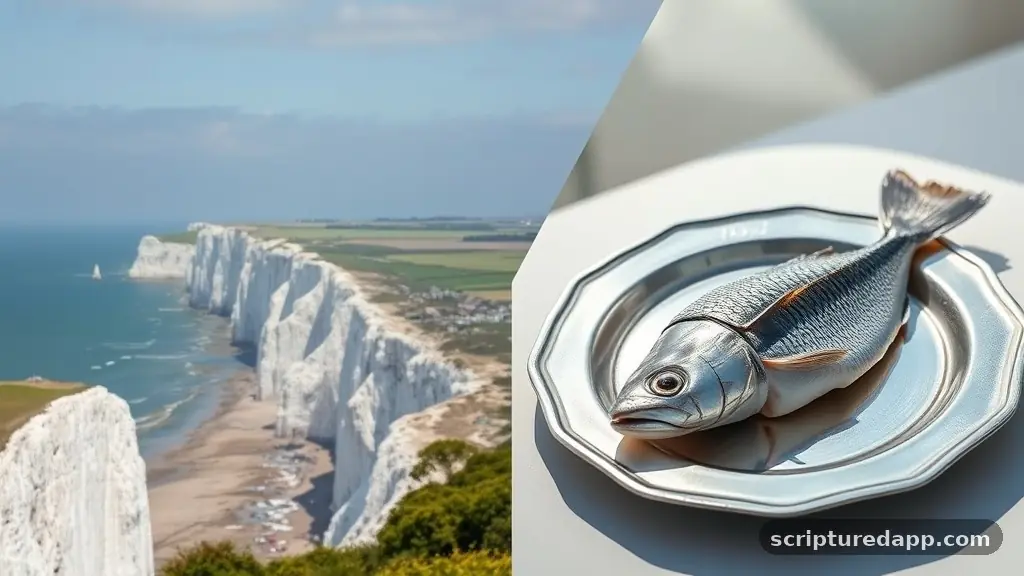
To help clarify the different ways this word is used, the following table breaks down the most common associations. Distinguishing between these allows for better clarity in communication and research.
| Context | Primary Definition | Key Association |
|---|---|---|
| Geography | A town and port in Kent, England | White Cliffs, Channel crossing |
| Culinary | A variety of high-quality flatfish | Market distribution, fine dining |
| Historical | The site of Roman fortification | Dubris, strategic transit |
| International | Cities named in the US (e.g., Delaware) | Local municipalities, colonial legacy |
The Role of the Port in Trade and History
The port of Dover has been a witness to history. From the Roman invasion to the evacuation of Dunkirk, the location has played a pivotal role in the security and economy of England. This historical weight is inseparable from the dover meaning.
When you mention the name, you are referencing a site that has been a focal point for military strategy and economic exchange for thousands of years. It is not merely a piece of land; it is a vital node in the network of European history.
The infrastructure of the port itself has changed dramatically. What started as a small, natural harbor for shallow-bottomed boats has grown into a massive logistics hub that handles millions of tons of freight annually. This transformation highlights how a place can keep its name while fundamentally changing its function.
The dover of the 21st century is a high-tech facility, yet it still bears the name derived from the ancient dubras. This continuity is a testament to the enduring nature of human geography, where names survive even when the world around them is unrecognizable.
Cultural Impact: Literature and Media
The visual impact of the white cliffs has made the area a favorite subject for artists and writers. You’ll find countless references to the location in classic literature, where it often serves as a metaphor for the strength and isolation of the British Isles. The dover meaning in these texts is usually one of resilience.
It is the first thing an arriving traveler sees and the last thing a departing soldier looks back upon. This emotional layering adds a dimension to the word that goes beyond simple geography or biology.
In modern cinema, the location is often used to establish a sense of place immediately. A single shot of the cliffs tells the audience exactly where they are without a word of dialogue. This visual shorthand is powerful.
It demonstrates how a name and a place can become a shorthand for an entire culture. When you hear the word, you aren’t just thinking about a town; you are thinking about the cliffs, the sea, and the long, storied history of the English Channel that has shaped the identity of the entire region.
Economic Relevance Today
Economically, the town remains a titan of logistics. It acts as the primary artery for trade between the UK and the European Union. This makes the dover meaning highly relevant in contemporary discussions about politics and economics.
You will often hear the name in the news regarding border policies, trade tariffs, and transport delays. It is a barometer for the health of international relations.
When the port is busy, the economy is moving. When there are delays, the entire supply chain feels the impact.
This reality brings the name into the daily lives of people who might otherwise never think about it. It is no longer just a place on a map; it is a critical component of the global economy. This shift in usage—from a historical landmark to an economic engine—shows how the name continues to adapt.
It is a natural evolution for a place that has always been about movement and trade. Whether it’s moving goods or people, the location is constantly active, justifying its name as a center of transit.
Scientific and Environmental Perspectives
From a scientific perspective, the area is a goldmine for geologists. The chalk cliffs are a record of the past, containing fossils and sediment layers that tell the story of the earth’s climate over millions of years. Scientists regularly visit the site to study the erosion patterns and the impact of rising sea levels.
The dover meaning here is tied to the physical integrity of the coast. It is a place where nature is actively reshaping the environment, providing a front-row seat to the processes that govern our planet.
The marine life in the dubras waters is also subject to intense study. The channel is a complex ecosystem, and the port area is a critical junction for migratory species. Efforts to preserve the biodiversity of the region are ongoing.
By understanding the local ecology, researchers can make better decisions about how to manage the port without destroying the very environment that makes it unique. This scientific dimension adds yet another layer to the name, moving it from the realm of history and trade into the realm of biology and environmental conservation.
Summary of Key Findings
To summarize, the term is far more than a simple geographical identifier. It is a layered concept that encompasses historical, culinary, economic, and scientific domains. Here are the primary takeaways regarding the term:
- The name originates from the ancient Celtic word for waters, highlighting the town’s proximity to the sea.
- It serves as the most important maritime link between England and France.
- The term Dover sole is a culinary misnomer, named for the market port rather than the fishing ground.
- Geologically, the area is defined by chalk cliffs that have protected the harbor for centuries.
- In contemporary discourse, the name is frequently used as a shorthand for international trade and border logistics.
Whether you are interested in the history of the north sea, the nuances of fine dining, or the complexities of modern trade, the word holds significant meaning. It connects us to the past while remaining firmly planted in the present. If you want to learn more about the specific history of the region’s infrastructure, you can explore the Port of Dover official website for details on current maritime operations and historical archives.
Frequently Asked Questions
What is the origin of the word Dover?
The word originates from the ancient British term dubras, meaning waters. It evolved through the Roman name Dubris and the Old English period to become the modern name we use today, reflecting the town’s historical and natural connection to the channel.
Why is a type of fish called Dover sole?
The fish is named after the port because it was the primary hub where the catch was landed and then transported to the major fish markets in London during the 19th century. The name stuck as a marketing term for the high-quality flatfish.
Is Dover only a place in England?
No, while the most famous location is the port town in Kent, England, the name has been adopted by various cities and towns globally, most notably in the United States, such as the capital of Delaware, reflecting the widespread influence of the original British name.
How does the port affect the modern economy?
The port is a critical logistics node for trade between the United Kingdom and Europe. Its efficiency directly impacts supply chains and the movement of goods, making it a frequent subject of discussion in national economic and political news regarding cross-border commerce.
Meta Description: Discover the multifaceted dover meaning, from its ancient Celtic linguistic roots and geographic significance to its culinary association with Dover sole.