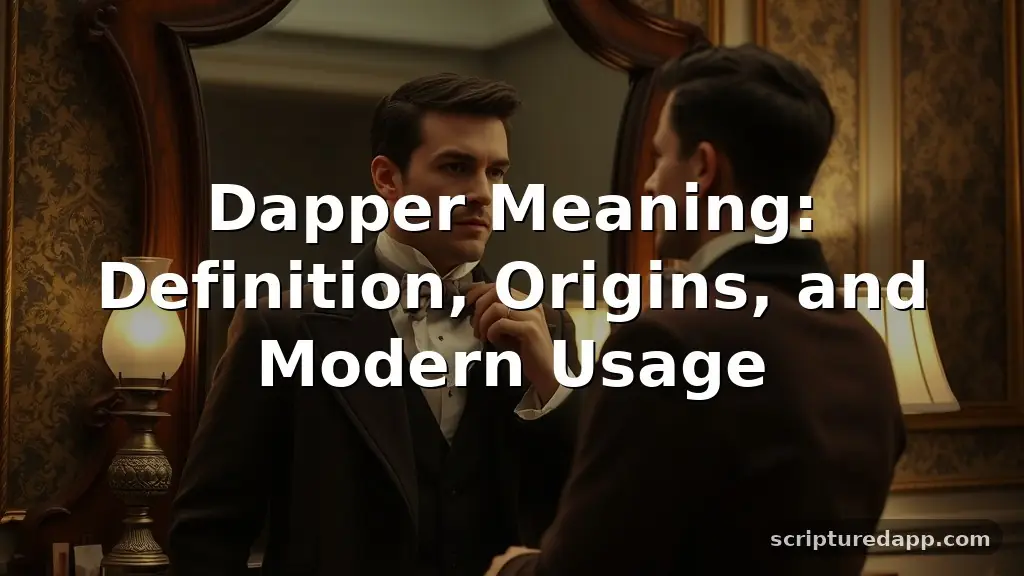

When you hear someone described as looking dapper, you instantly conjure an image of sharp lines, polished shoes, and a certain air of effortless confidence. The dapper meaning revolves around an aesthetic that is both precise and remarkably put-together. It isn’t just about wearing a suit; it is about the intention behind the clothing.
Someone who is dapper pays attention to the details that others might overlook, like the perfect knot in a silk tie or the subtle coordination of a pocket square with a lapel pin. This term carries a weight of history and sophistication that has managed to survive the transition from the parlors of the 19th century to the digital age.
While many might associate the word with vintage fashion or black-tie events, the reality is far more fluid. It describes a specific type of presentation—one that is neat, trim, and undeniably intentional. You won’t find a dapper individual looking sloppy or disheveled.
They possess a kind of visual rhythm where every element of their outfit works in harmony. Understanding this term requires looking past the surface-level fashion advice and digging into the linguistic roots that shaped how we describe style today.
Etymological Roots and Historical Context
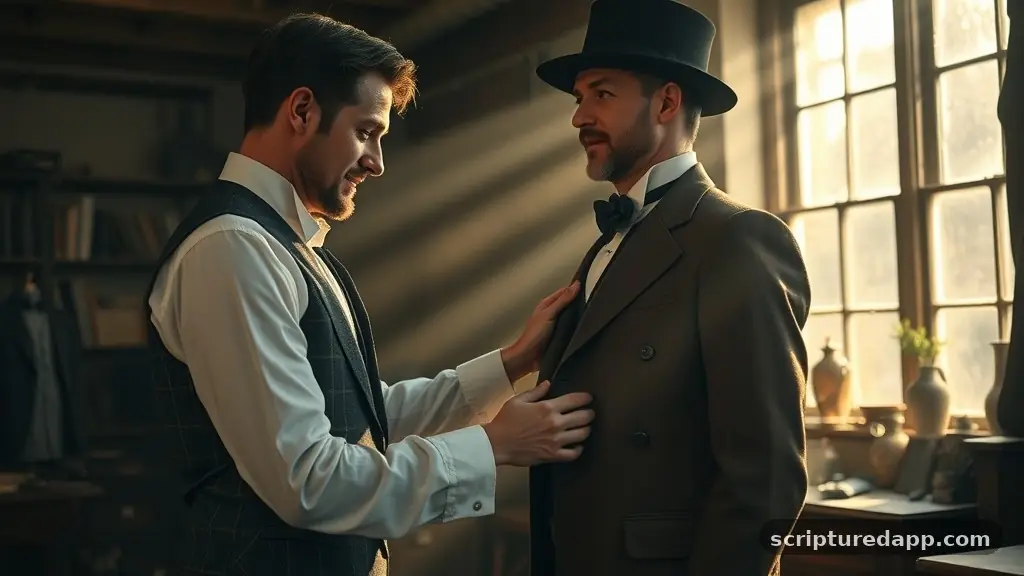
Tracing the history of this term takes us back centuries. The dapper meaning has evolved significantly from its earliest recorded uses. Linguists often point toward Middle Dutch as the primary ancestor of the term.
Specifically, the Dutch dapper meant something akin to brave, bold, or valiant. It is fascinating to see how a word that once described a warrior’s spirit shifted to describe the cut of a man’s coat.
During the 16th century, the term began to migrate into English, initially retaining some of that original sense of being “stout” or “dashing.” By the 17th and 18th centuries, the definition had narrowed to focus more on physical appearance. It started being used to describe someone who was small but active and, crucially, very well-dressed.
This shift from “valiant” to “neatly dressed” is a classic example of semantic drift. The transition likely occurred because a person who was “dapper” or nimble in their movements was expected to keep their clothing in a similar state of order. They were not just brave; they were sharp.
The Anatomy of a Dapper Look
What exactly makes an outfit qualify for this descriptor? It is not merely about the price tag of your clothes. You could spend thousands on a designer outfit and still miss the mark if the fit is off or the accessories are mismatched.
The dapper meaning is rooted in the concept of the “trim” silhouette. This means the clothing should follow the natural lines of the body without being overly restrictive.
A truly dapper look typically includes several foundational elements:
- A well-tailored jacket that sits correctly across the shoulders.
- Trousers that break perfectly at the top of the shoe, avoiding excess fabric pooling at the ankles.
- Clean, polished footwear that complements the formality of the rest of the ensemble.
- Thoughtful accessories like cufflinks, tie bars, or a high-quality leather belt that matches the shoes.
- Impeccable grooming, including a tidy haircut and well-maintained facial hair if applicable.
These elements work together to create a cohesive image. When these components are balanced, the wearer exudes a sense of discipline and self-respect. It is about presenting the best version of yourself to the world, regardless of whether you are attending a wedding or heading to an important business meeting.
Dapper Versus Other Style Archetypes
It is helpful to contrast this term with other common fashion descriptors to get a clearer picture of its unique place in our vocabulary. Many people confuse being dapper with being “flashy” or “trendy.” This is a mistake.
A person who is flashy often relies on loud colors, logos, or avant-garde cuts to grab attention. A dapper individual, by contrast, relies on classic principles of proportion and quality.
Consider the difference between “dapper” and “dashing.” While they share a similar energy, “dashing” often implies a more sweeping, romantic, or adventurous spirit. A dashing figure might be seen with a cape flowing in the wind or an unbuttoned shirt that suggests a life of excitement.
Dapper is more grounded. It is the definition of neat and trim.
It suggests a person who has their life in order and values the quiet power of a clean aesthetic. You might find a definition of these nuances on Merriam-Webster, which provides a reliable reference for how these subtle differences are codified in the English language.
Semantic Triples and the Logic of Style
To understand the core facts behind this term, we can look at it through the lens of semantic triples. These simple Subject-Verb-Object structures help clarify what we actually mean when we use this word.
| Subject | Verb | Object |
|---|---|---|
| The dapper man | wears | tailored clothing |
| Dapper style | emphasizes | clean lines |
| A dapper outfit | requires | attention to detail |
| The term | connotes | sophistication |
These relationships highlight that the term is action-oriented. It is not a static state of being; it is something you achieve through the choices you make. You don’t just “have” a dapper look; you assemble it.
This is why the word is often associated with the process of getting ready. It implies a conscious effort to look one’s best, which is a commendable trait in almost any social or professional context.
Topical Gaps: Gender and Modern Fluidity
One area where common resources often fall short is in discussing the gendered nature of the term. Historically, the dapper meaning was almost exclusively applied to men. You would see it in old literature or lists of sat words describing gentlemen in top hats and waistcoats.
However, language is not static. In recent years, there has been a significant shift toward gender-neutral or inclusive applications of the word.
Today, it is increasingly common to hear “dapper” used to describe women or non-binary individuals who prefer a masculine or androgynous aesthetic. Whether it is a woman rocking a sharp tuxedo suit on a red carpet or someone wearing a well-fitted blazer with loafers, the word fits perfectly. The meaning has migrated from being a descriptor of a “man” to a descriptor of a “style.”
This is a crucial evolution. It proves that the term is no longer about the person’s gender identity, but about the quality of the tailoring and the precision of the presentation. If you are neat and trim in your appearance, the label applies, regardless of your wardrobe’s origin.
The Role of Grooming in the Total Package
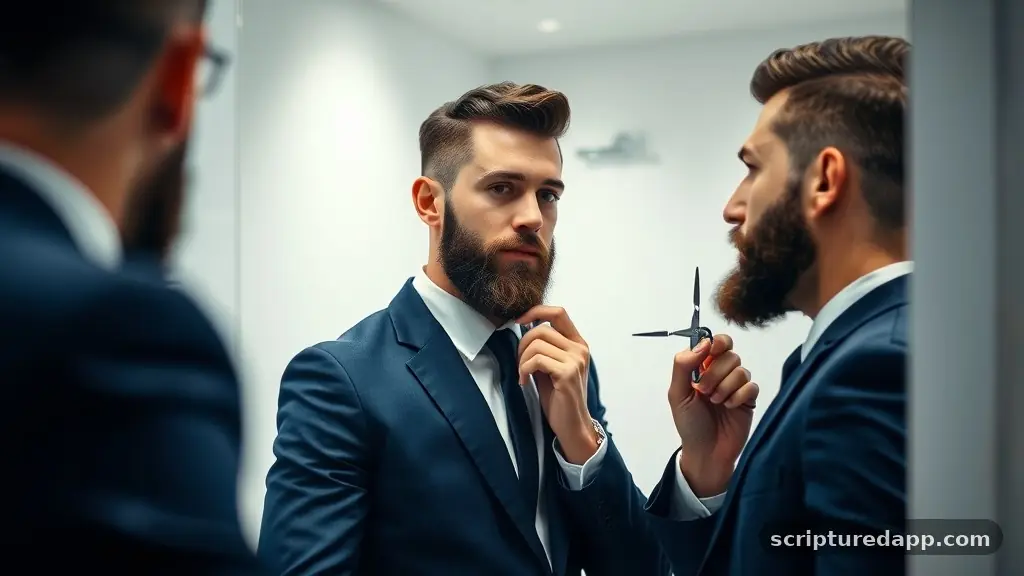
You cannot discuss being dapper without mentioning grooming. If you put on a bespoke three-piece suit but have unkempt fingernails or a messy, neglected beard, the illusion falls apart.
The dapper meaning is holistic. It encompasses the entire visual identity of the individual.
Think of it as a pyramid. The base is your hygiene and grooming. The middle layer is your clothing choices and fit.
The top, crowning element is your confidence. If the base is shaky, the rest of the structure will look unstable. This is why many style experts recommend starting with a consistent grooming routine before investing heavily in an expensive wardrobe.
A simple, well-maintained haircut and clean skin create a canvas that makes even modest clothing look superior. When you look like you take care of yourself, the world assumes you take care of your work and your responsibilities, too. This is the unspoken psychological benefit of the look.
Synonyms and Linguistic Cousins
When you look up the word in a dictionary, you will find a range of synonyms that help define its boundaries. Words like nimble, jaunty, and spruce often appear. Each of these adds a slightly different flavor to the core concept.
“Jaunty” implies a sense of lightness and fun, perhaps a bit of a spring in your step. “Spruce” feels a bit more formal, almost like a spruce tree—upright and clean.
It is also worth noting how the term functions as an adjective. You rarely hear it used as a noun or a verb. It describes a state.
When you are writing an email or speaking to a friend, you might say, “He looked particularly dapper this week.” The word is flexible enough to be used in both casual and formal contexts.
It isn’t overly pretentious, but it is certainly elevated compared to saying someone just looked “nice.” It carries a bit more history and weight, which is why it remains a favorite for writers and style columnists.
The Dapper Aesthetic in the Digital Age
The internet has changed how we define and share style. Platforms like Instagram and Pinterest have created massive communities dedicated to classic menswear and tailored fashion.
In these spaces, the dapper meaning is often amplified through high-definition photography and “get ready with me” videos. This has made the aesthetic more accessible than ever before.
However, there is a risk of dilution. Because images are so easy to share, some people think that “dapper” just means “wearing a suit.” This misses the point entirely.
The digital age gives us access to new information about fabric types, construction methods, and historical fashion eras, but it also creates pressure to keep up with fast fashion. A truly dapper person ignores the trends that come and go every week.
They focus on building a sustainable, timeless wardrobe. They understand that a quality wool coat will last for years, whereas a synthetic jacket bought because it was trending will look tired by next season.
Common Misconceptions and Errors
One of the biggest mistakes people make is thinking that being dapper is expensive. While high-quality fabrics and custom tailoring do cost money, the core of the style is about fit and maintenance, not just the price tag. You can find a vintage suit at a thrift store, have it altered by a local tailor for a reasonable price, and end up looking more dapper than someone who bought a poorly fitting suit off the rack at a high-end department store.
Another misconception is that it requires a suit at all times. While a suit is the easiest way to achieve the look, it is not the only way. A crisp button-down shirt, a pair of dark, well-fitted chinos, and a clean pair of leather boots can be just as effective.
The key is the intentionality. If you look like you put thought into every piece of your outfit, you are capturing the essence of the word.
Don’t worry about having the most expensive brand names. Focus on the neat and trim lines that define your silhouette.
Addressing Topical Gaps: Why It Matters
Why do we care about these distinctions? Because language shapes our reality. When we have a specific word to describe a specific way of presenting oneself, it encourages us to strive for that ideal.
Most people who discuss this topic skip over the German or Middle Dutch origins, focusing only on the modern vocabulary. By understanding the deeper history, you gain an appreciation for why the word has lasted so long. It is a resilient term.
Furthermore, many articles fail to address how the word is used in other languages. While we are focusing on English, the concept of a “dapper” person exists across cultures.
Whether it is the Italian concept of “sprezzatura”—an effortless, studied nonchalance—or the French focus on “élégance,” the underlying desire to present a refined version of oneself is universal. By understanding the dapper meaning in its full, complex glory, you become a more sophisticated communicator and a more thoughtful consumer of fashion.
FAQ: Common Questions About the Term
What does it mean when someone says you look dapper?
When someone calls you dapper, they are complimenting your appearance, specifically noting that you look clean, sharp, and well-dressed. It implies that your clothes fit well, your grooming is on point, and you have put a clear, intentional effort into your overall presentation for the day.
Can you use the word dapper for a woman?
Yes, absolutely. While the term was historically tied to men’s fashion, it has evolved to describe anyone who adopts a sharp, tailored, and tidy aesthetic. It is a common compliment for women who wear suits, blazers, or other structured clothing that looks polished and well-fitted.
Is being dapper the same as being fancy?
Not necessarily. Being fancy often implies luxury, expensive fabrics, or elaborate outfits.
Being dapper is more about the precision of the fit and the neatness of the look. You can be dapper in a simple outfit if it is styled correctly, whereas fancy often requires more opulent elements.
Does the word have a negative connotation?
Rarely. In almost every context, it is a positive term that suggests the person is put-together and respectful of their surroundings. Occasionally, if used sarcastically, it might imply that someone is trying too hard, but this is entirely dependent on the tone of voice and the social situation.
Meta Description: Discover the true dapper meaning. Learn about its historical roots, how to master a sharp, tailored look, and why this classic style remains relevant.