

If you have ever stood in the international aisle of a grocery store, staring at a bottle of thick, dark, reddish-brown liquid, you might have wondered about the hoisin meaning. Simply put, the term translates directly from Cantonese as “seafood sauce,” even though the stuff rarely contains any seafood at all.
It is a staple condiment in Chinese cooking, prized for its complex profile that balances salty, sweet, and umami notes in a way that few other pantry items can replicate. While some might mistake it for a simple barbecue sauce, its roots and culinary applications go much deeper.
The Etymology and Linguistic Origins
To understand the hoisin meaning, we have to look at the Chinese characters used to write it. The word is composed of two parts: “hoi” (seafood) and “sin” (freshness or sauce). This naming convention is one of the great culinary misnomers of the world.
Historically, early versions of the sauce might have included fermented seafood or fish paste, similar to the pungent sauces found in Southeast Asian cuisines. However, as the recipe evolved over centuries, the seafood component was dropped in favor of a soy-based foundation.
Despite the name, modern versions are entirely vegetarian. When you look at the word in a dictionary, you will find it defined as a thick, fragrant sauce commonly used in Cantonese cuisine as a glaze for meat, an addition to stir-fry, or a dipping sauce. The linguistic connection to “seafood” remains a curiosity for food historians, but for the average home cook, it is just a label for a savory, fermented soybean paste that happens to pair perfectly with roasted duck and pork.
Deciphering the Ingredients Profile
The primary hoisin meaning in a culinary context is best understood through its ingredients. At its core, this is a sauce made from fermented soybean paste. This base provides that deep, earthy umami that acts as the backbone of the condiment.
To this, manufacturers add a variety of aromatics and sweeteners to create the signature flavor profile. Common ingredients include:
- Fermented soybean paste
- Sugar or molasses for sweetness
- Garlic and chili peppers
- Vinegar for a bright, acidic edge
- Sesame oil for depth
- Five-spice powder
This combination creates a dense, viscous liquid that clings to food. Unlike thin soy sauce, which is meant to permeate and season, this sauce is designed to coat.
The sweet notes from the sugar are balanced by the sharpness of the vinegar and the heat of the chili, making it an incredibly versatile tool in the kitchen. It is this specific balance that makes it a favorite for chefs working with strong-flavored proteins like chicken or fatty cuts of meat.
Historical Context and Traditional Use
The history of this condiment is deeply tied to the development of Cantonese culinary arts. While it is now a global pantry staple, its traditional role was much more focused. It was, and remains, a classic accompaniment to Peking duck.
The richness of the duck skin requires a condiment that can cut through the fat while adding a layer of complexity. If you visit a traditional restaurant in Hong Kong or Guangzhou, you will see it served alongside steamed buns, scallions, and cucumber slices.
The hoisin meaning has expanded far beyond the duck platter. Over the last century, it has moved from a regional specialty to a global phenomenon.
Its adoption into Western cooking was accelerated by the rise of Chinese-American cuisine, where it was repurposed for everything from barbecue ribs to dipping sauces for spring rolls. It is a testament to the versatility of the flavor profile that it can stand up to high-heat cooking in a stir-fry while also working as a cold condiment straight out of the jar.
Topical Gaps: What Most Resources Miss
Many articles gloss over the technical fermentation process that defines the quality of the product. The hoisin meaning is not just about the final mix of ingredients; it is about the time-intensive process of fermenting the soybeans.
Cheap, mass-produced versions often rely on artificial coloring and thickeners like cornstarch to mimic the texture of the real thing. High-quality artisanal versions, by contrast, rely on the natural reduction of the bean paste and the careful aging process to achieve that glossy, deep-brown finish.
Another overlooked detail is the regional variation in the recipe. While we think of it as a singular product, the flavor profile changes depending on the producer. Some versions lean heavily into the garlic, while others prioritize the sweetness of the molasses.
If you are looking to refine your palate, you should compare the ingredient labels of a few different brands. You will find that the ratio of vinegar to soybean paste is the primary variable that determines whether the sauce is “sharp” or “mellow.” This nuance is often lost in generic descriptions, but it is the secret to elevating your home cooking.
Culinary Applications Beyond the Basics
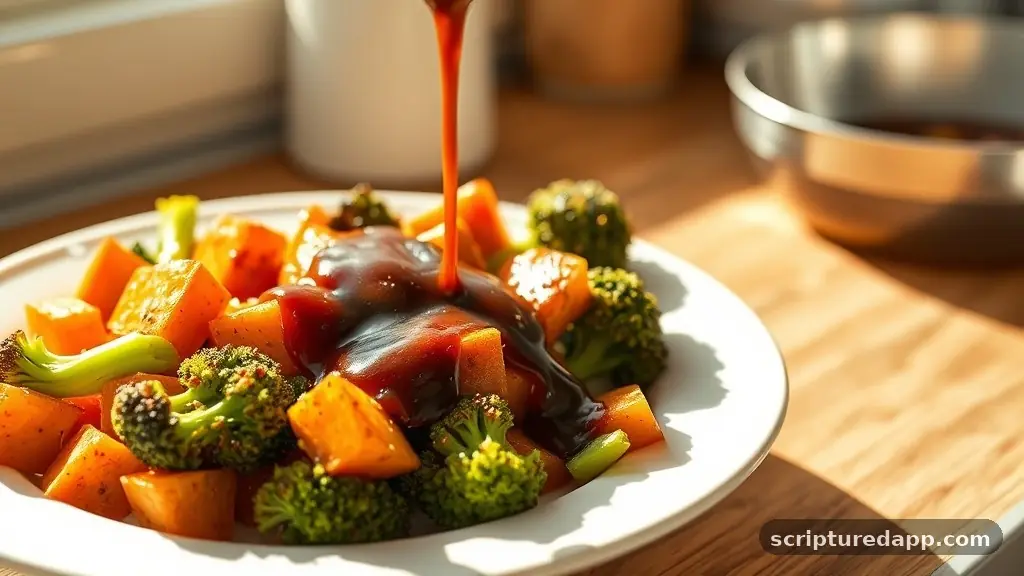
You can get so much more out of a bottle of this sauce than just using it for duck. Because of its thick consistency, it works exceptionally well as a glaze for roasted vegetables.
If you brush it over carrots or sweet potatoes before roasting, the sugars in the sauce will caramelize, creating a crunchy, flavorful exterior that is hard to achieve with other condiments. It also functions as a secret weapon in marinades.
Consider using it as a base for skewers. When mixed with a little bit of rice wine and ginger, it creates a marinade that keeps meat moist during the grilling process. The sugar content helps the meat char slightly, giving you that authentic flame-grilled look.
Furthermore, it is a fantastic addition to soups or noodle broths. A single tablespoon stirred into a bowl of pho or a spicy noodle soup adds a depth of flavor that is hard to replicate with standard salt or pepper. It is truly an “all-purpose” ingredient that bridges the gap between sweet and savory.
Comparing Hoisin with Other Chinese Sauces
It is common to confuse this sauce with others found in an Asian pantry. To help clarify the differences, the following table compares it with common alternatives.
| Sauce Name | Primary Flavor | Best Use Case |
|---|---|---|
| Hoisin | Sweet, Salty, Umami | Glazing, Dipping, Stir-fry |
| Oyster Sauce | Briny, Earthy, Savory | Vegetable stir-fries, Gravies |
| Soy Sauce | Salty, Fermented | Seasoning, Marinades |
| Sweet Bean Sauce | Salty, Fermented, Less Sweet | Noodles, Meat stir-fries |
As you can see, while they all share a soy foundation, the hoisin meaning is distinct because of its sweetness and viscosity. Oyster sauce, by comparison, is much more focused on the deep, briny flavor of the sea, while standard soy sauce is intended for seasoning rather than coating. Understanding these differences allows you to adjust your recipes with precision.
Pronunciation and Cultural Nuances
The pronunciation of the word is often debated. In English, it is typically pronounced “hoy-sin.”
It is a two-syllable word that is fairly easy to pick up, though the “hoi” sound can vary slightly depending on how closely one mimics the Cantonese dialect. It is one of those words that has been fully integrated into the English culinary lexicon, much like “sushi” or “taco.”
In terms of cultural usage, it is important to remember that this is a condiment, not a main dish. It is almost always served as a side or as a finishing component. You would rarely see someone eat it by the spoonful.
It is a facilitator of flavor, designed to enhance the experience of the primary protein or vegetable. By respecting the intended use of the sauce, you can better appreciate how it functions in a balanced meal.
The Role of Hoisin in Modern Fusion Cooking
The hoisin meaning has evolved to include its role in fusion cuisine. Chefs today use it in ways that would have been unthinkable fifty years ago.
For instance, it is now commonly found in burger glazes or as a secret ingredient in tangy salad dressings. Because it is so commonly used in professional kitchens, it has become a bridge for cooks who want to experiment with Asian flavors without needing a massive collection of obscure ingredients.
This versatility makes it a great entry point for beginners. If you are just starting to explore Asian cooking, this is the first bottle you should buy. It is shelf-stable, relatively inexpensive, and nearly impossible to misuse.
Whether you are adding it to a quick weekday stir-fry or using it to elevate a weekend roast, the results are almost always reliable. You can find more detailed history on the evolution of these condiments through the Library of Congress archives on culinary traditions.
Addressing Potential Misconceptions
There is a persistent myth that the sauce contains meat or animal products because of the word “seafood” in its name. It is important to clarify that this is a free-from-animal-product condiment in almost every commercial iteration. If you are vegan or vegetarian, you can use it with confidence.
Another misconception is that it is inherently unhealthy due to the sugar content. While it is a concentrated source of sugar, it is meant to be used in small quantities, just like ketchup or barbecue sauce.
Moderation is key. A little bit goes a long way, especially when you are using it to glaze a protein.
If you are worried about the sodium or sugar levels, you can look for “low-sodium” versions, though these are sometimes harder to find in standard grocery stores. The focus should always be on the flavor it adds to the dish rather than viewing it as a standalone nutritional component.
Practical Tips for Storing and Maintaining Quality
To get the most out of your purchase, proper storage is essential. While it is shelf-stable before opening, the hoisin meaning changes slightly once the seal is broken.
Exposure to air can cause the sugars to crystallize and the texture to thicken significantly. It is best to keep the bottle in the refrigerator after opening to preserve the integrity of the aromatics.
If you find that your sauce has become too thick to pour, you can easily thin it out. Just add a teaspoon of warm water or rice wine vinegar and stir it vigorously. This will return it to a pourable consistency without compromising the flavor.
Avoid adding too much liquid at once, as you want to maintain that signature stickiness that makes it so effective as a coating. By following these simple maintenance tips, a single bottle can last for several months, making it a very economical addition to your kitchen.
Frequently Asked Questions
Is hoisin sauce actually made from seafood?
No, despite the Cantonese translation of “hoisin” as “seafood sauce,” the modern commercial product is entirely vegan. It is primarily made from fermented soybean paste, sugar, garlic, and various spices, with no seafood ingredients included in the standard recipe found in stores today.
Can I substitute hoisin sauce with something else?
If you are in a pinch, you can create a decent substitute by mixing soy sauce, a little peanut butter or tahini for thickness, and honey or brown sugar. It won’t have the exact fermented complexity of the original, but it will mimic the texture and sweetness well enough.
Does hoisin sauce contain gluten?
Most traditional versions contain soy sauce, which is brewed with wheat. Therefore, standard hoisin is generally not gluten-free. However, many brands now produce certified gluten-free options that use tamari instead of standard soy sauce, so always check the ingredient label if you have dietary restrictions.
How long does hoisin sauce last after opening?
When stored in the refrigerator, an opened bottle of hoisin sauce typically stays good for six to twelve months. Always check for signs of spoilage, such as an off smell or visible mold, though the high sugar and salt content usually keep it stable for a long time.
Meta Description: Discover the true hoisin meaning, its ingredients, and how to use this versatile sauce in your cooking. Learn about its history and culinary secrets.