

When you look at the name Hercule, you’re looking at a linguistic bridge between the ancient world and modern European identity. The hercule meaning is fundamentally tied to the legendary figure of Greek and Roman mythology, serving as a signifier for strength, endurance, and the struggle against impossible odds.
While most people immediately jump to the Greek hero Heracles, the specific spelling “Hercule” offers a distinct flavor, often associated with French naming conventions and literary icons. Understanding this term requires peeling back layers of history, linguistics, and the way we use names to project archetypal qualities onto individuals today.
The Linguistic Roots of Hercule

The name Hercule is the direct French equivalent of the Latin Hercules. If you dig into the dictionary, you’ll find that the name is essentially a Latinized version of the Greek Herakles, which itself combines “Hera” (the goddess) and “kleos” (glory). So, the hercule meaning literally translates to “glory of Hera.”
It’s an ironic name, really, considering that in the myths, Hera spent most of her time trying to make his life a living hell. This contradiction is where the name gets its bite.
When you see the spelling Hercule, you’re stepping away from the raw, muscle-bound imagery of the Greek hero and into a more refined, potentially intellectual space. In France, the name has seen various cycles of popularity. It’s never been the most common name, but it carries a weight of tradition.
It suggests a person who is expected to carry a burden—much like the original hero who had to complete his twelve labors. The shift from the Greek ‘s’ ending to the French ‘e’ ending softens the sound, making it feel more like a proper noun meant for a person in a drawing room than a demigod in a chariot.
Hercule in Literature and Pop Culture
Perhaps the most famous modern association with this specific spelling is Agatha Christie’s detective, Hercule Poirot. By choosing this name for her Belgian sleuth, Christie tapped into a deep well of cultural meaning.
The character is the antithesis of the typical “Hercules” archetype; he isn’t about physical brute force, but rather the “little grey cells” of his brain. This creates a fascinating subversion of the name’s traditional baggage.
When we analyze the character, we see that the hercule meaning here is redefined as a form of intellectual strength. He is a force of nature in his own right, cleaning up the “stables” of society—which in his case are the messy, criminal lives of the British upper class. This usage shows how a word can evolve.
It moves from representing a physical titan to representing a moral and mental giant. If you’re using the name today, you’re likely drawing on this duality of strength—either the brawn of the ancients or the sharp, persistent intellect of the detective.
The Mythology Connection: Greco-Roman Foundations
You can’t discuss the meaning of this name without acknowledging its origins in Roman mythology. While the Greeks knew him as Heracles, the Romans adopted him as Hercules, and this is where the name solidified its place in Western culture.
The Romans saw him as a symbol of divine strength and the ability to transcend human limitations. This is a core part of the name’s identity.
In the ancient world, naming a child after a hero was a way of imbuing them with the qualities of that hero. It was a projection of hope. Parents hoped that by bestowing the name, they would see the child grow up to be resilient, capable of overcoming any obstacle, and ultimately immortalized by their deeds.
This is why the name has persisted for thousands of years. It’s a shorthand for “the one who survives.” The transition to the French “Hercule” kept this spirit alive while adapting it to the linguistic requirements of a different language.
Hercule as a Constellation and Celestial Symbol
Beyond the human sphere, the name has a permanent home in the night sky. The constellation Hercules is one of the most recognizable patterns in the heavens.
It sits near Lyra and the Corona Borealis, serving as a reminder of the hero’s place among the stars. In antiquity, the sky was a log of human history and myth; by placing Hercules there, the ancients ensured that the name would be visible to every generation that followed.
The association with the sky reinforces the idea that the hercule meaning is tied to permanence. Stars don’t move or change; they are fixed points of reference. When someone bears this name, there’s a subtle, almost subconscious suggestion of being a “star” or a guiding force.
It’s a heavy expectation to place on a person, but it’s part of the package deal when you use a name with such cosmic significance. It connects the mundane world of human life to the eternal cycles of the universe.
Topical Gaps: Beyond the Common Definitions
Most discussions about this name stop at the mythological origin or the famous detective. However, there’s a nuance often ignored: the “Herculean” adjective vs. the name itself. People often confuse the two.
While the name Hercule denotes a specific person or character, the adjective “Herculean” refers to a task that requires great strength or effort. This distinction is vital for accurate usage.
Another often-overlooked aspect is the regional variation in how the name is perceived. In some parts of France, the name is viewed as archaic or overly dramatic, while in other contexts, it’s seen as a sign of high culture and literary appreciation. It’s not just a name; it’s a cultural marker.
You’ll also find that the name has been used in various scientific or industrial contexts, where “Hercule” might be used to describe a heavy-duty machine or a process that requires significant power. This technical usage is a distinct branch of the name’s evolution that rarely gets the attention it deserves.
Comparing Hercules and Hercule
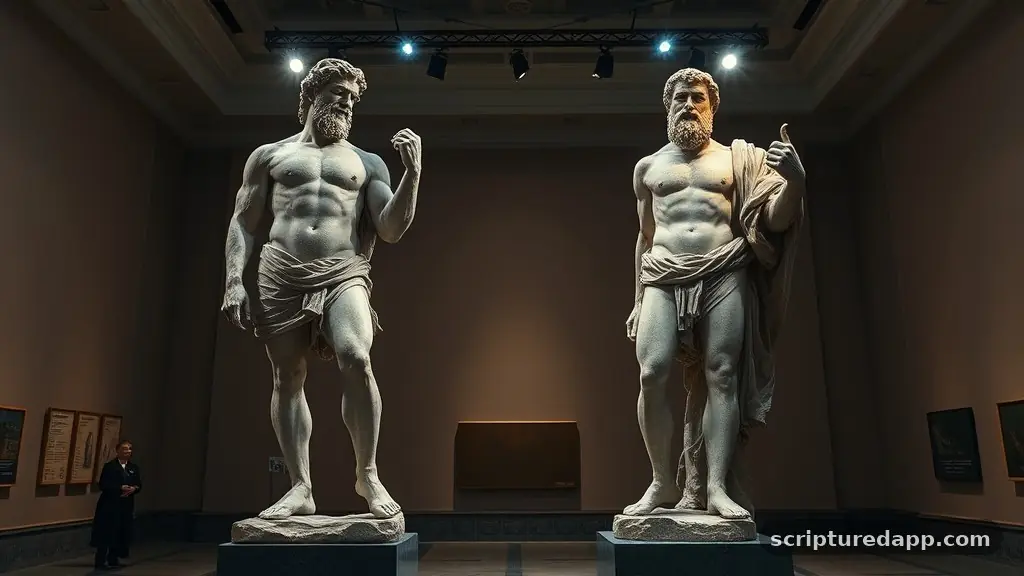
It is helpful to look at how these variations differ in their application and cultural weight. The following table provides a quick breakdown of how these terms function in different contexts.
| Term | Primary Context | Connotation |
|---|---|---|
| Hercules | Classical Mythology | Physical power, divine lineage, raw strength |
| Hercule | French/Literary | Intellectual, sophisticated, detective, refined |
| Herculean | Adjectival/Descriptive | Difficult, demanding, labor-intensive effort |
This comparison highlights that while the root is the same, the application varies wildly. When you’re trying to convey a specific meaning, choosing between the Latin version and the French version changes the entire tone of your sentence.
If you want to evoke the feeling of an ancient epic, you go with the classical version. If you want to evoke a sense of mystery or intellectual prowess, the French version is your tool of choice.
The Evolution of the Name in Modern Language
Language is a living thing, and words like Hercule shift in meaning based on who is using them. Today, we see the name being repurposed in the digital age.
It appears in the names of software, gaming characters, and brand identities that want to project a sense of “unbreakable” service or product quality. This is a common trend for names with historical gravity.
You’ll notice that when a company uses the name, they aren’t necessarily invoking the specific myths. Instead, they are tapping into the aura of the name. They want you to think of their product as the one that will solve your problems, no matter how “laborous” those problems might be.
It’s a clever use of brand psychology. By leveraging the existing semantic weight of the word, they save themselves the trouble of explaining their value proposition. The name does the heavy lifting for them.
Cultural Variations and Naming Trends
Is Hercule a common name today? Not particularly. It’s a “prestige” name, often chosen by parents who want something that feels both classical and distinctly European.
It doesn’t have the mass-market appeal of modern, trendy names, and that’s precisely why it retains its power. It hasn’t been diluted by over-exposure.
In a list of names, Hercule stands out because it demands attention. It feels like a name with a story attached to it. When you introduce yourself as Hercule, you aren’t just giving a label; you’re inviting a conversation about history, literature, and the weight of tradition.
This social aspect is a key part of the name’s meaning. It changes the dynamic of an interaction before the person has even spoken a word. It’s a name that carries its own gravity.
Semantic Triplets and Conceptual Mapping
To understand the hercule meaning for search engines and natural language processing, we look at the semantic triples associated with the term. These triples help define the entity in a structured way:
- Hercule → represents → Intellectual Strength
- Hercule → originates → Roman Mythology
- Hercule → identifies → Detective Character
- Hercule → symbolizes → Overcoming Obstacles
- Hercule → influences → Modern Branding
These relationships show that the name isn’t just a static entry in a log. It’s a node in a massive web of associations. When you use the word, you are activating these connections.
You’re bridging the gap between ancient epics and modern detective stories. This is why the study of names is so fascinating; they are the shorthand for our entire cultural history.
Why the Name Still Matters
We keep using these names because they provide a sense of continuity. In a world that changes rapidly, having names that date back to the ancient period acts as an anchor.
The hercule meaning is a testament to our desire to see ourselves in the heroes of the past. We want to believe that we, too, can face our “labors” and emerge victorious.
Whether it’s the physical strength of the original myth or the mental agility of a fictional detective, the core remains the same: the struggle against the impossible. We will likely continue to use this name for centuries to come, as long as there are people who need to be reminded of their own potential for greatness. It’s a name that refuses to fade away, precisely because it captures something fundamental about the human condition: our need to strive, to solve, and to endure.
Frequently Asked Questions
What is the primary difference between Hercules and Hercule?
Hercules is the Latinized name associated with the Roman god and classical mythology, often symbolizing raw physical power. Hercule is the French variation, which, while sharing the same root, is more frequently associated with literary figures, notably Agatha Christie’s detective, emphasizing intellect and sophistication.
Is Hercule a popular name for children today?
No, Hercule is not a common name in modern times. It is considered a rare or traditional name, often chosen by those who value literary history or classical roots. Its rarity is part of its appeal, as it offers a distinct, intellectual identity compared to more modern, trendy naming options.
How does the meaning of Hercule relate to the concept of labor?
The name is intrinsically linked to the “Twelve Labors” of the hero in mythology. Consequently, the name often carries a metaphorical association with performing difficult, demanding tasks that require immense effort, perseverance, and a willingness to tackle challenges that others might find impossible or overwhelming.
Can Hercule be used as a synonym for strength?
While the name itself evokes strength, it is more commonly used as a proper noun. For describing strength or effort, the adjective “Herculean” is the correct linguistic choice. Using “Hercule” to describe strength directly is less common and usually serves as a literary or symbolic reference rather than a literal one.
Meta Description: Discover the true hercule meaning. Explore its origins in mythology, its literary evolution, and how this iconic name shapes cultural perceptions today.