
When you hear the term pollock, your mind might immediately jump to the frozen fish stick aisle at your local grocery store. It is a common noun used to identify a specific type of white fish, but the pollock meaning actually spans much further than just the seafood counter.
Depending on the context, you could be talking about a marine species, a surname with deep roots, or even a misunderstood ethnic label. Clarifying these distinctions is important because the word occupies a unique space in both biology and human geography.
The Biological Definition of Pollock
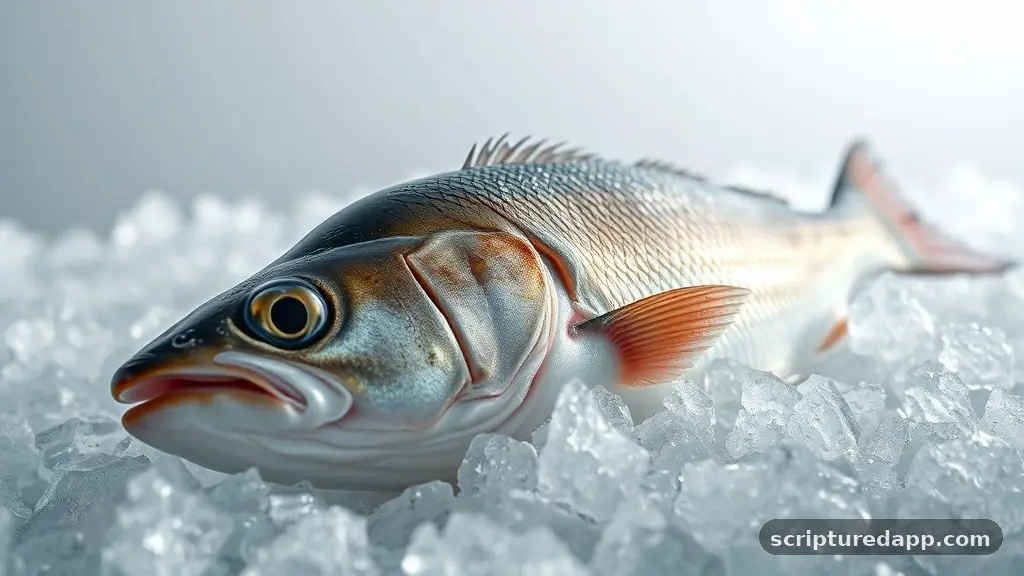
In a strictly biological sense, the pollock meaning refers to two distinct species of marine fish that belong to the Gadidae family. These are the Alaska pollock (Gadus chalcogrammus) and the Atlantic pollock (Pollachius virens). While they are often grouped together in casual conversation, scientists treat them as separate entities.
They are cousins to the cod, sharing that same flaky, mild-tasting white flesh that makes them so popular for commercial processing. If you look at the systematic classification of these animals, you will find they thrive in cold, deep waters. The northern regions of the Pacific and North Atlantic are their primary habitats.
These fish are masters of the sea, schooling in massive numbers that allow for large-scale, regulated commercial fishing. Their presence in our diet is largely due to their abundance; they are incredibly hardy and resilient, making them a staple for sustainable seafood sourcing.
Etymology and Linguistic Origins
Tracing the word itself leads us back to Middle English and Germanic roots. Most linguists agree that the name likely evolved from words related to the physical appearance of the fish—specifically its head. The root word often connects to the concept of a “poll” or “pol,” which historically meant head.
In this context, the pollock was simply a fish characterized by its distinctively shaped cranium. It is a fascinating look at how common names for animals often arise from simple, observable traits rather than complex scientific observations. Over time, the spelling shifted from variants like “pollack” to the standardized “pollock” we use now.
This evolution is typical for common names of animals that were caught and traded by diverse populations speaking different dialects. The word has solidified its place in the English lexicon as a direct reference to these specific members of the cod family.
Pollock in Culinary Applications
If you are standing in a kitchen, the pollock meaning is almost always synonymous with versatility. Because the flesh is relatively lean and mild, it acts as a perfect canvas for various seasonings and cooking methods. You will often find it used in processed forms, such as surimi—that imitation crab meat you see in California rolls—or as the primary protein in breaded fish fillets.
It is a workhorse of the food industry. Its texture is firm enough to hold up to frying, yet delicate enough to flake easily when steamed or baked.
Because it is caught in such high volumes, it is also one of the most cost-effective proteins available to consumers. For those who want to learn more about the nutritional profile and sustainability of these stocks, the National Oceanic and Atmospheric Administration provides detailed reports on how these populations are managed in the wild.
The Surname and Ethnic Connotations

Beyond the water, the word takes on an entirely different weight as a surname. Pollock is a common name of Scottish and Irish origin, often associated with the lands of Pollock in Renfrewshire. However, there is a persistent linguistic confusion with the term “Pollack,” which is an older, sometimes derogatory, term for a person of Polish descent.
This is where the pollock meaning gets tricky. While the fish name is derived from the Germanic root for “head,” the ethnic term is a corruption of the name for Poland. They share a similar phonetic profile, which leads to frequent social awkwardness or misinterpretation.
It is vital to distinguish between the two, as one is a benign taxonomic classification for a creature of the ocean, and the other is a term rooted in historical migration and, occasionally, outdated prejudice. Context is everything here.
Distinguishing Species: Alaska vs. Atlantic
Not all pollock are created equal, and understanding the differences between the two main types is a key part of the pollock meaning. The Alaska pollock is by far the more commercially significant of the two. It is smaller, lives in massive schools, and is the backbone of the global fish stick and surimi industry.
On the other hand, the Atlantic pollock, or Pollachius virens, is larger and has a slightly more robust, savory flavor profile. It is often sold as a fresh fillet rather than being processed into secondary products.
Because they occupy different oceans and have different growth rates, their market values and roles in the food chain vary significantly. While they share a family name, their lives and their final destinations on your dinner plate are quite distinct.
| Feature | Alaska Pollock | Atlantic Pollock |
|---|---|---|
| Scientific Name | Gadus chalcogrammus | Pollachius virens |
| Primary Habitat | North Pacific | North Atlantic |
| Common Use | Surimi, Fish Sticks | Fresh Fillets, Steaks |
| Flavor | Very Mild | Mild to Medium |
Topical Gaps: Addressing the Misconceptions
Most resources skip over the actual nuances of how the word is used in modern digital spaces. For instance, there is a common trend of searching for “pollock” in the context of the famous American painter, Jackson Pollock. This creates a significant amount of noise in search results.
People looking for the pollock meaning in an artistic sense are often led toward marine biology articles, and vice versa. Another gap is the lack of discussion regarding the “pollack” spelling as a slur. Many dictionaries mention it as an archaic or offensive term, yet it is rarely explored with the sensitivity required to explain why it is offensive.
A truly comprehensive understanding of the word must acknowledge that names carry weight. Words are not just labels; they are artifacts of history, prejudice, and biology all tangled together in a way that can confuse even the most diligent researcher.
Environmental Impact and Fishing Practices
The health of the ocean is deeply tied to how we harvest these fish. When we discuss the pollock meaning in an environmental sense, we are really talking about sustainable management. Because pollock are a fast-growing species that reach maturity quickly, they are generally considered a “green” choice for seafood consumers.
They reproduce at a rate that allows them to withstand significant fishing pressure, provided that the catch limits are strictly enforced. Large-scale trawling operations are the standard method for catching these fish.
While this is efficient, it has sparked plenty of debate regarding bycatch—the accidental capture of other marine life. Modern technology, such as excluder devices, has helped mitigate this, but it remains a point of contention for conservationists who want to ensure that the sea remains a balanced ecosystem for generations to come.
Cultural Significance in Coastal Communities
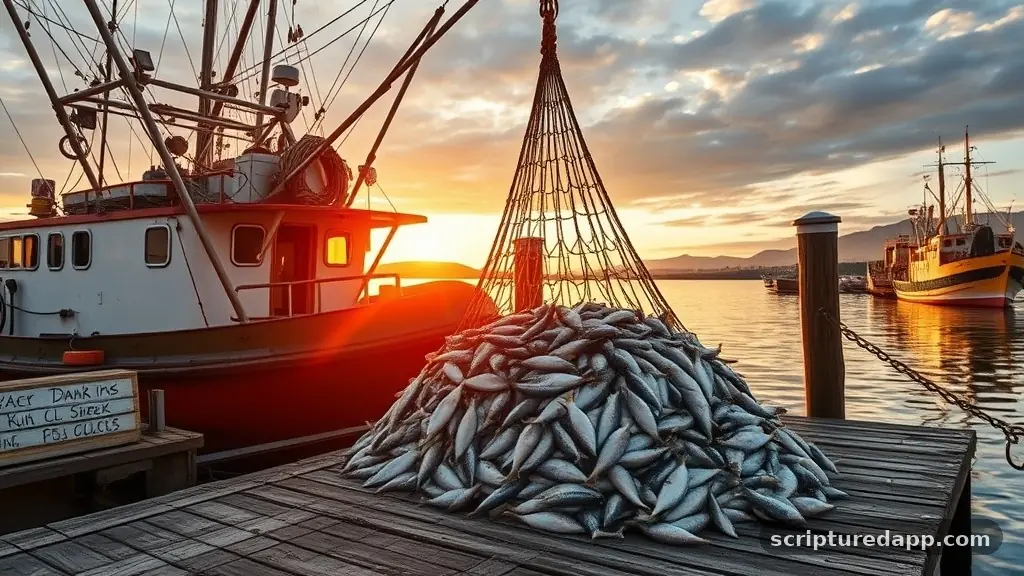
In places like the Pacific Northwest or the shores of New England, the fish is more than just a menu item; it is an economic driver. The pollock meaning here is tied to jobs, local identity, and the rhythm of the seasons. Entire towns have been built around the processing plants that handle the catch.
When the fishing season starts, the community shifts its focus to the docks. This is a vital part of the story that often gets lost when we only look at the fish as a commodity.
The people who work on these boats have a deep, practical knowledge of the species that goes far beyond any textbook definition. They understand the migrations, the water temperatures, and the subtle behaviors of the fish in a way that is passed down through generations of maritime tradition.
Industrial Processing and Modern Food Systems
The transformation of a whole fish into the recognizable frozen blocks found in supermarkets is an engineering marvel. It is a process that defines the modern pollock meaning for millions of people. After the fish is caught, it is often processed directly on the factory trawlers.
They are headed, gutted, and filleted almost immediately to lock in freshness. The meat is then minced, washed, and mixed with additives like starch and egg whites to create surimi.
This ability to be “re-formed” into different shapes—like crab legs or scallops—is why pollock is so essential to the global food supply. It is a highly engineered product that keeps costs low and availability high, even in landlocked regions far from any ocean.
The Future of the Species
Looking ahead, the sustainability of pollock stocks is a major focus for global climate researchers. As ocean temperatures rise, the distribution of these fish is changing. We are seeing shifts in where they spawn and how they migrate.
The pollock meaning of the future may well be defined by our ability to adapt to these environmental pressures. If the waters become too warm for these cold-water fish to thrive, we may see a significant decline in their availability.
This would force a massive shift in the seafood industry, as there are few other species that can fill the gap left by such an abundant and versatile fish. Monitoring their population health is, therefore, a task of global importance.
Linguistic Evolution and Modern Usage
Language is a living thing, and the way we use words like “pollock” changes based on where we are and who we are talking to. In some regions, the word is strictly a culinary term. In others, it is a surname that carries family history.
As we move forward, the potential for confusion between the fish and the ethnic slur will likely diminish as the archaic term falls further out of common usage. It is interesting to observe how a single word can represent such a wide variety of concepts.
Whether it is a staple of the food industry or a point of confusion in a dictionary, the word remains a fascinating example of how our language evolves to meet the needs of our culture. It serves as a reminder to always look at the context, as the true definition is almost always found in the environment surrounding the word itself.
Frequently Asked Questions
Is pollock considered a healthy fish to eat?
Yes, it is a very healthy choice. Pollock is a lean, high-protein fish that is low in calories and fat. It provides essential nutrients like vitamin B12, selenium, and omega-3 fatty acids, making it a nutritious, affordable staple for a balanced diet.
Why is pollock often used to make fake crab meat?
Pollock is used for surimi because it has a very mild flavor and a firm, dense texture when processed. It easily takes on the shape, color, and flavoring of other foods, allowing manufacturers to create affordable, shelf-stable seafood alternatives like imitation crab legs.
Are pollock and cod the same thing?
They are not the same, though they are closely related. Both belong to the Gadidae family and share similar characteristics, like flaky white meat. However, they are distinct species with different growth habits, habitats, and price points in the global seafood market.
Is the term pollock offensive?
The fish name is perfectly neutral. However, the phonetically similar word “Pollack” is historically used as an ethnic slur against people of Polish descent. It is important to distinguish between the marine animal and the derogatory term to avoid any social misunderstanding.
Meta Description: Discover the true pollock meaning, covering everything from its biological classification and culinary uses to the nuances of its linguistic origins.