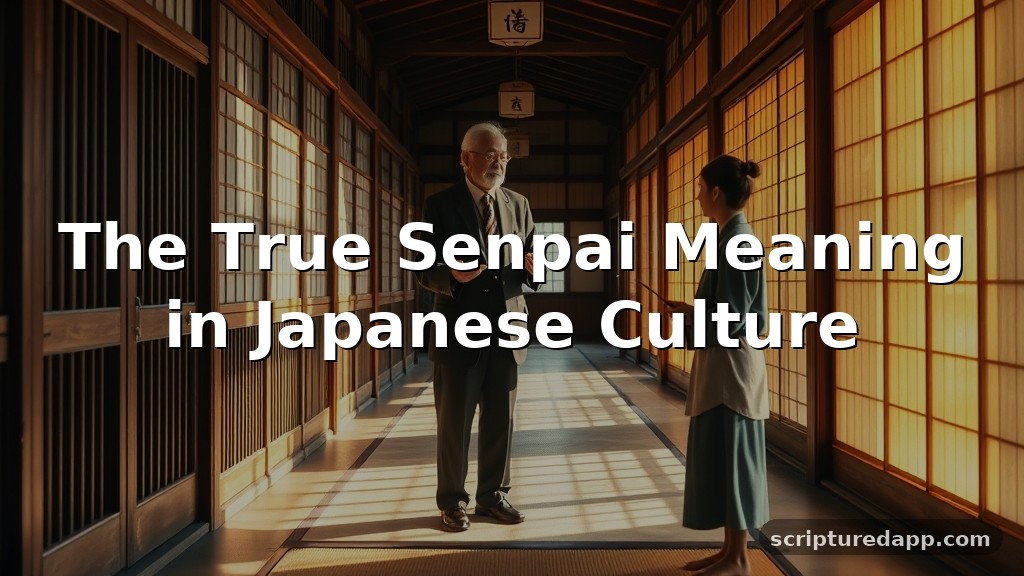

If you have spent any time engaging with Japanese media or pop culture, you have likely encountered the term “senpai.” While it is frequently associated with romantic tropes in anime and manga, the actual senpai meaning is deeply rooted in the hierarchical structure of Japanese society. At its core, the word is a way to address a senior or someone with more experience within a specific group, such as a school or a workplace.
Understanding this term requires looking past the memes to see how it functions as a social lubricant in everyday interactions. By learning the nuance behind this label, you gain a better grasp of how interpersonal relationships are managed in Japan.
The Linguistic Roots of Senpai
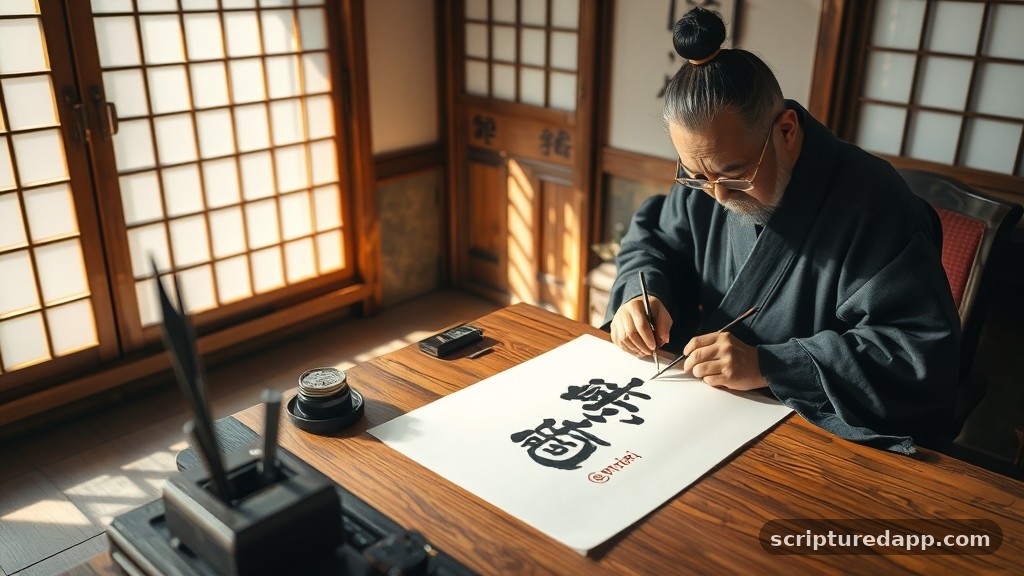
The word senpai is written in Japanese using the kanji characters 先輩, which literally translate to “previous” and “associate” or “colleague.” When you break down the characters, the senpai meaning becomes much clearer: it refers to someone who walked the path before you.
This isn’t just about age; it is about the length of time someone has been involved in a specific organization. A person who started at a company three years ago is a senpai to a new hire, regardless of whether they are the same age or if the new hire is slightly older.
This linguistic structure is essential to the senpai kohai relationship, which is a fundamental aspect of the Japanese social framework. While “senpai” denotes the senior, the term “kohai” refers to the junior.
This dynamic is not meant to be oppressive; rather, it is designed to establish clear roles and expectations. When you use the word, you are acknowledging the other person’s tenure and the knowledge they have accumulated during their time in that environment.
The Senpai Kohai Relationship Explained
In schools and professional settings across Japan, the relationship between a senior and a junior is highly structured. The junior is expected to show respect and deference to the senior, who in turn acts as a mentor or guide.
This system ensures that information is passed down effectively and that the group maintains a sense of order. You might see this in sports clubs, where the senior members teach the younger ones the proper techniques, or in offices where long-term employees mentor new staff.
It is important to note that this relationship is not always rigid or cold. Over time, as a junior gains more experience and bonds with their senior, the dynamic often evolves into something resembling a friendship.
However, the linguistic marker of “senpai” typically remains as a sign of that foundational respect. It is a way to keep the lines of communication open while maintaining an awareness of the social hierarchy that keeps the group functioning smoothly.
Distinguishing Senpai from Sensei
One of the most common points of confusion for those learning about the language is the difference between a sensei and a senpai. While both terms involve a degree of hierarchy, they function in very different ways.
A sensei is a teacher, master, or someone who has reached a high level of proficiency in a specific field, such as a doctor, an author, or a martial arts instructor. You use “sensei” for someone who is imparting knowledge from a position of authority.
On the other hand, the senpai meaning is strictly about relative experience within a peer group. You do not necessarily have to be a master to be a senpai; you just have to have been there longer than the person you are talking to.
If you are a student, your teacher is your sensei, but a student in a higher grade is your senpai. Misusing these terms can lead to awkward social situations, so it is helpful to keep this distinction in mind whenever you are communicating in a formal or semi-formal Japanese context.
How Anime and Manga Influence Global Perception
The global popularity of anime manga has significantly skewed the perception of this term. In many shows, characters obsess over being noticed by their “senpai,” turning the word into a shorthand for a romantic crush or a figure of unrequited affection.
This has led to the “notice me, senpai” meme, which has become a staple of internet culture. While this is a fun way to engage with the media, it is a far cry from how the word is actually used in daily life.
By focusing on the romanticized version of the term, international audiences often miss the functional beauty of the social structure it represents. In reality, being called “senpai” is rarely about romantic tension; it is about being recognized for your contribution and your time spent in a group. When you hear the term in a show, try to look for the context.
Are they in a club? Are they at work? If so, the character is likely highlighting the gap in experience rather than a secret crush.
Social Dynamics in the Japanese Workplace
Within a professional setting, the senpai meaning is a vital part of corporate culture. It helps newcomers navigate the complexities of office politics and internal procedures.
A senior employee is often tasked with training the new hire, providing them with the necessary tools to succeed. This mentorship ensures that the company’s culture and standards are passed down consistently from one generation of employees to the next.
This system can be challenging for those coming from Western backgrounds, where the focus is often on meritocracy rather than tenure. In Japan, however, tenure is a highly valued asset. Even if a junior employee is more technically skilled, they will still show deference to their senior.
This is not seen as a slight to their skill; it is simply a recognition of the senior’s role in the organization’s history. Understanding this is key to working effectively in a Japanese company.
The Role of Mentorship in the System
* Guidance: The senior provides real-world advice on how to handle tasks efficiently.
* Socialization: The senior helps the junior build relationships with other team members.
* Accountability: The senior takes responsibility for the junior’s work, which encourages high standards.
* Continuity: The system preserves institutional knowledge that might otherwise be lost.
Why the Term is Not Just About Age
A common misconception is that the word refers strictly to age. While it is true that a senior is usually older, the defining factor is the start date in a shared environment.
You could join a club at age 20, and a 19-year-old who has been in that club for two years would still be your senpai. This makes the senpai meaning a purely social construct rather than a biological one.
This distinction is crucial because it allows for a flexible social structure. It prevents age-based discrimination while still maintaining order.
By focusing on experience rather than birth dates, the system rewards commitment and longevity. It is a way of saying, “I value the time you have put into this group, and I respect the experience you have gained because of it.”
The Evolution of Informal Interactions
While the term is rooted in formality, it is frequently used in informal settings between friends. When people have known each other for a long time, the strictness of the hierarchy often softens. You might hear a younger person calling an older friend “senpai” as a joke or a sign of affection, acknowledging their dynamic without the weight of corporate or academic pressure.
This playfulness shows that the word has evolved to include nuances beyond its traditional definition. It can be a term of endearment or a way to playfully tease someone about their seniority.
As with any language, the word changes based on the relationship between the speakers. If you are ever unsure whether to use it, observing how others interact is the best way to determine the appropriate level of formality for your specific situation.
Comparing Social Hierarchies
To better understand how this system compares to other cultures, it is helpful to look at how different societies manage seniority. In many Western countries, the focus is on professional titles and direct communication, often ignoring the “time served” element entirely.
| Context | Japanese Approach | Western Approach |
|---|---|---|
| New Employee | Assigned a mentor (senpai) | Self-directed or peer-led |
| Conflict Resolution | Involves senior mediation | Direct individual negotiation |
| Group Success | Credited to the group/senior | Credited to the individual |
This comparison highlights that the senpai meaning is not just a label; it is a mechanism for maintaining group cohesion. While Western systems prioritize individual achievement, the Japanese system prioritizes the stability and longevity of the organization by anchoring it in established relationships.
Common Misconceptions and Topical Gaps
Many people wonder if the term is ever used in a negative way, or if it implies some form of bullying. While the senpai kohai system has been criticized for being overly rigid or creating an environment where juniors cannot speak up, it is not inherently abusive.
Like any social structure, it depends on the people involved. If you want to dive deeper into the historical context of these social structures, the Nippon.com website provides detailed analyses of Japanese culture and society.
Another gap in common knowledge is how the term is used outside of Japan. In many East Asian countries, similar systems exist, but they use different words.
For instance, in Korea, the equivalent term is “sunbae,” which carries a very similar cultural weight. Understanding that this is a regional phenomenon rather than something unique to one country helps in appreciating the broader context of East Asian social norms.
FAQ Section
Does senpai mean the same thing as boss?
No, “senpai” is not a job title like “boss” or “manager.” While your boss might be your senpai, the term refers specifically to their tenure in the organization. You can have a boss who is younger than you, or a senpai who has no managerial authority over you whatsoever.
Is it appropriate to use senpai in a romantic context?
In real life, using the term to imply romance is rare and could be misunderstood. While it is a common trope in fiction, using it in a real-world setting to flirt might come across as strange or overly influenced by pop culture. It is best to keep it professional.
Why do people use the term senpai if they are the same age?
People use it because one person joined the group before the other. Even if they are the same age, the one who joined first has more experience in that specific environment. Using the term acknowledges that experience and maintains the established order of the group.
Can a girl be a senpai to a boy?
Yes, absolutely. The term is gender-neutral. Anyone who has been in an organization longer than someone else is their senpai, regardless of gender. It is a social rank based on tenure, not a reflection of gender roles or power dynamics between men and women.
Conclusion
Grasping the true senpai meaning requires moving past the simplified, romanticized versions found in popular media. It is a practical, functional, and deeply ingrained aspect of Japanese social life that emphasizes the value of experience and the importance of mentorship. Whether you are navigating a school setting or a professional office in Japan, recognizing the role of a senior is essential for building strong, respectful relationships.
By acknowledging the time and effort others have contributed to a group, you show that you understand the nuances of the culture. Keep observing how the term is used in real conversations, and you will find that it is much more than just a word—it is a bridge that connects people through shared experience.