

As an Amazon Associate I earn from qualifying purchases. If you buy through links in this article, we may earn a commission at no extra cost to you.
These are the 10 best underwater drones for fishing, and one truth shapes the whole list: every one of them is a tethered ROV, not a free swimming robot. Radio signals die within inches underwater, so a cable carries the live video back to your phone or controller. Used well, that cable buys you actual eyes on the structure, the bait and the fish. We ranked all 10 on depth, camera, lights, runtime and fishing extras, from true sonar to bait drop and grabber arms.
Short on time?
Start with these three picks
One drops bait on sonar marks, one shoots the clearest video, and one scouts structure in any direction.
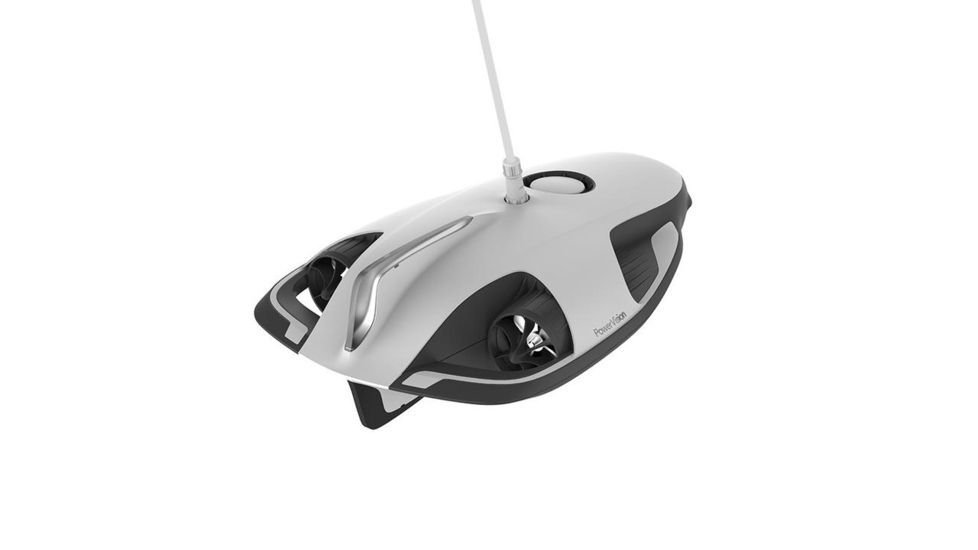
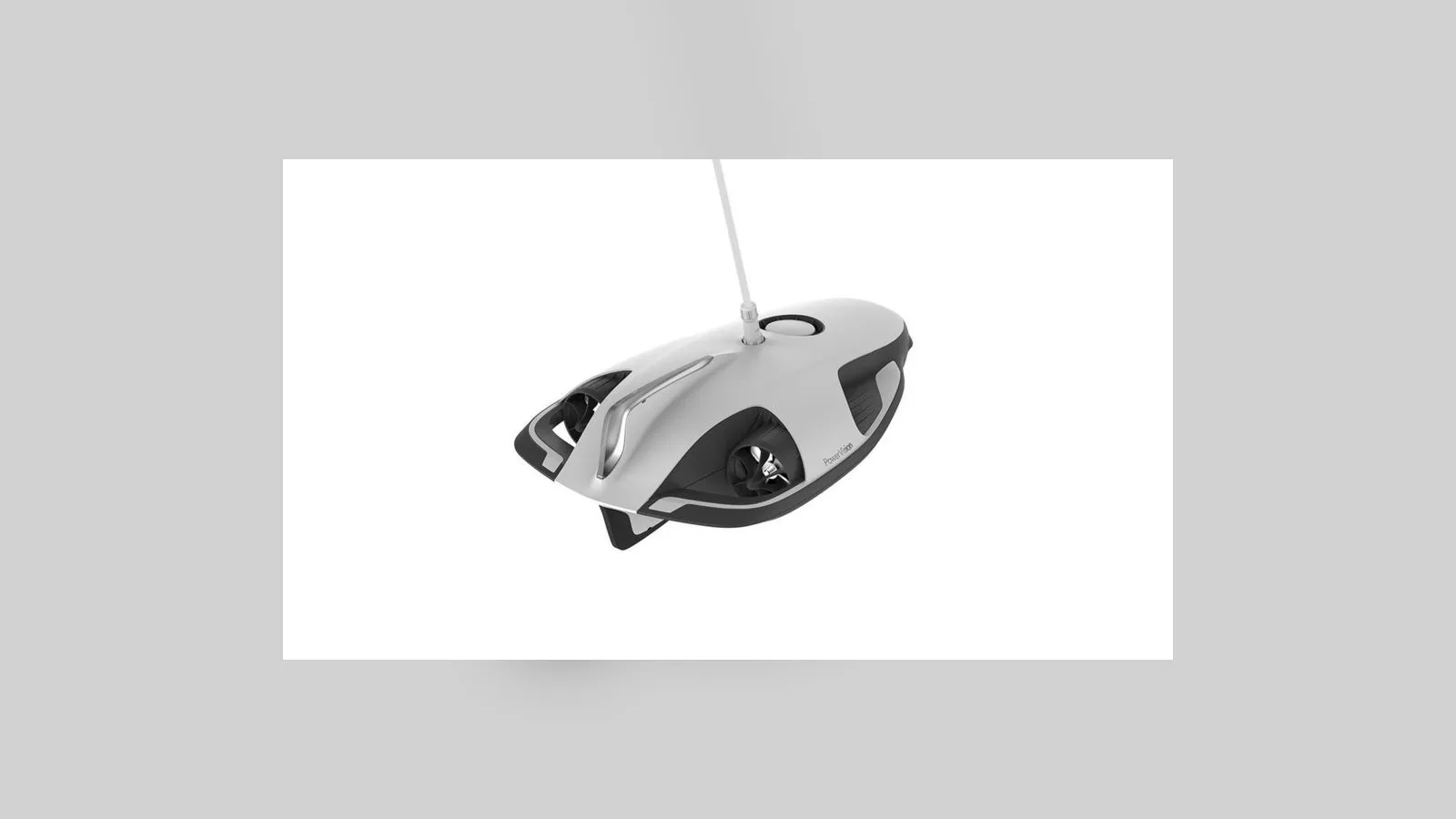
PowerVision PowerRay Wizard
The only pick built around fishing first: the Wizard kit adds a PowerSeeker sonar that reads depth, temperature and fish below the boat, a remote bait drop, and ZEISS VR goggles. The camera is 4K, the tether runs 70 m, and the depth ceiling is 30 m.
View on Amazon Read the full review ↓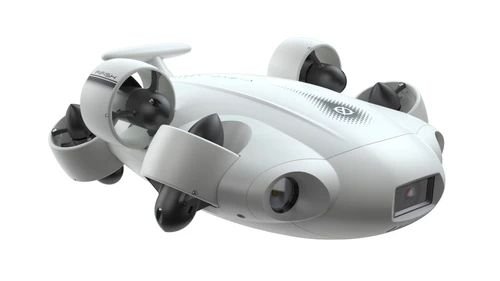
QYSEA FIFISH V-EVO
The camera pick. A 4K/60 sensor behind a 166 degree lens with 5,000 lumens of light and AI Vision Lock that holds a subject in frame while the current moves you. Six thrusters move it in any direction, and runtime stretches to about 4 hours.
View on Amazon Read the full review ↓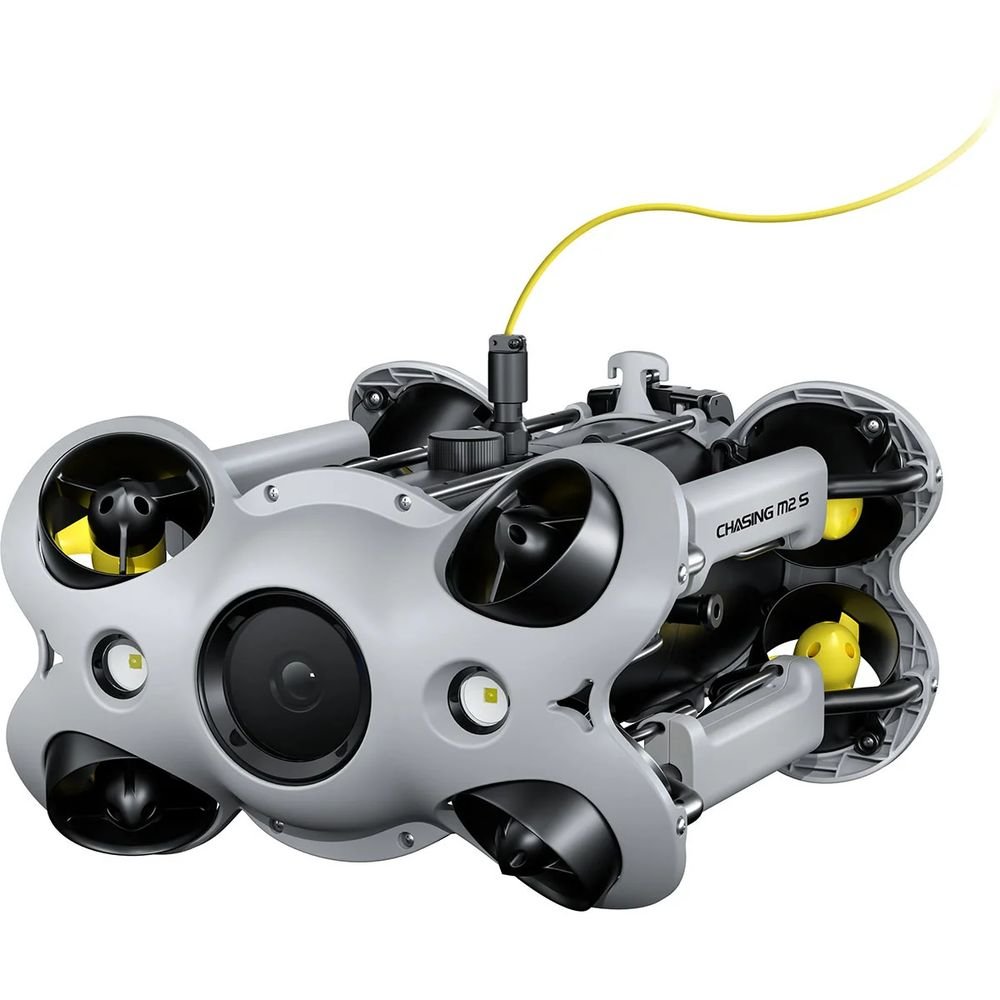
CHASING M2 S
The structure scout. Eight vectored thrusters let it slide sideways along a dock or hold station in current, the battery swaps in seconds for long sessions, and 4,000 lumens light up dark corners. It dives to 100 m and shrugs off snags with anti-stuck motors.
View on Amazon Read the full review ↓The shortlist
Compare all 10 at a glance
For a fishing ROV, three things decide most trips: how deep it can work, what its camera and lights can actually show you, and whether it carries a fishing extra like sonar, bait drop or a claw.
| Product / award | Best fit | Key decision point | Check current offer |
|---|---|---|---|
| 01. PowerVision PowerRay WizardBest overall for fishing | Anglers who want sonar and bait drop | PowerSeeker sonar plus bait release; 30 m depth ceiling | View on Amazon |
| 02. QYSEA FIFISH V-EVOBest camera | Filming fish and structure in 4K | 4K/60 and a 166 degree lens; camera only, no sonar | View on Amazon |
| 03. CHASING M2 SBest for scouting structure | Scouting docks, wrecks and brush piles | 8 thrusters, swappable battery; 4.5 kg topside kit | View on Amazon |
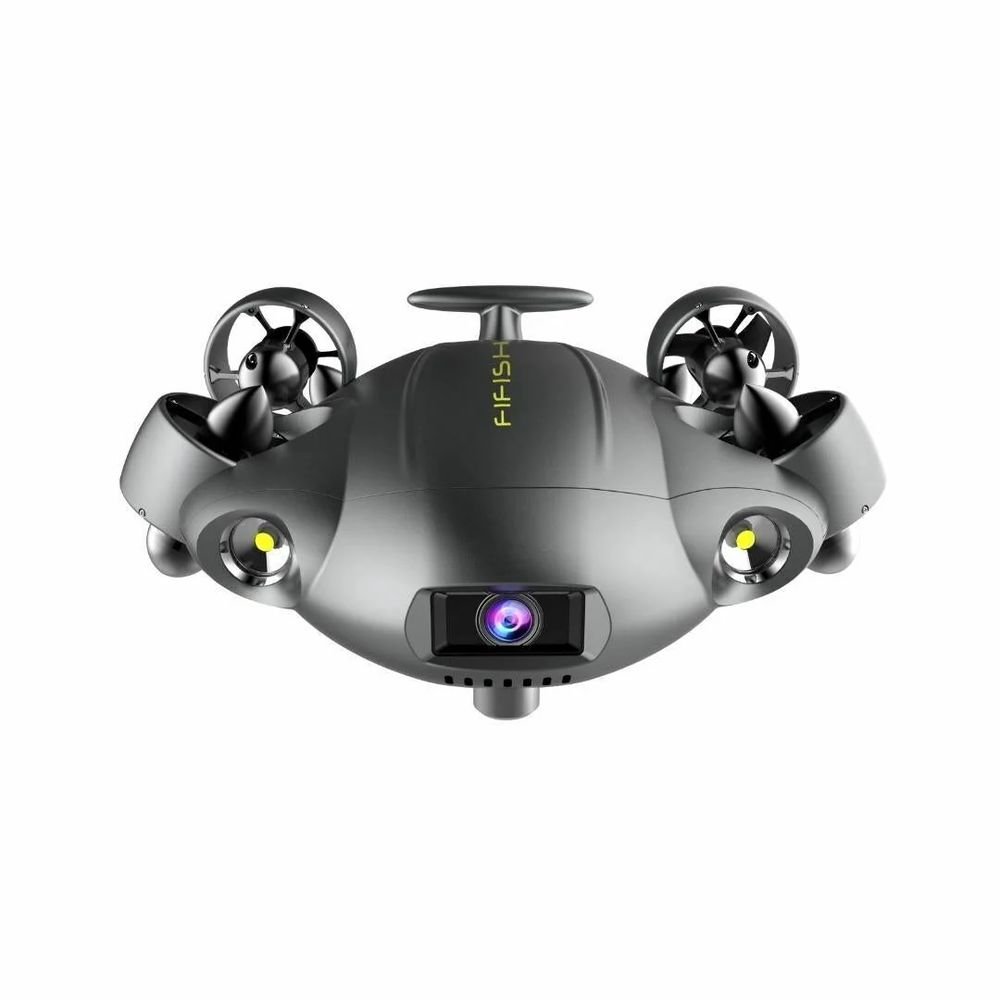 04. QYSEA FIFISH V6 Expert M200ABest for deep water | Deep wrecks and long inspections | 200 m rating, 200 m tether; pro level kit and cost | View on Amazon |
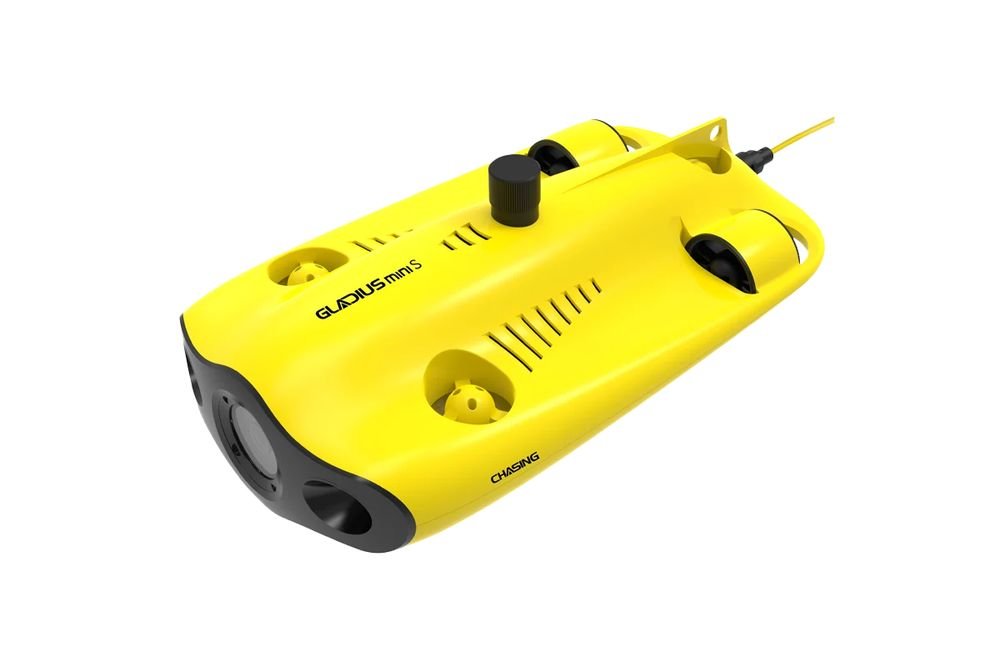 05. CHASING Gladius Mini SBest mid-range pick | A first serious fishing ROV | 100 m depth and 4K/30; 100 m tether in the box | View on Amazon |
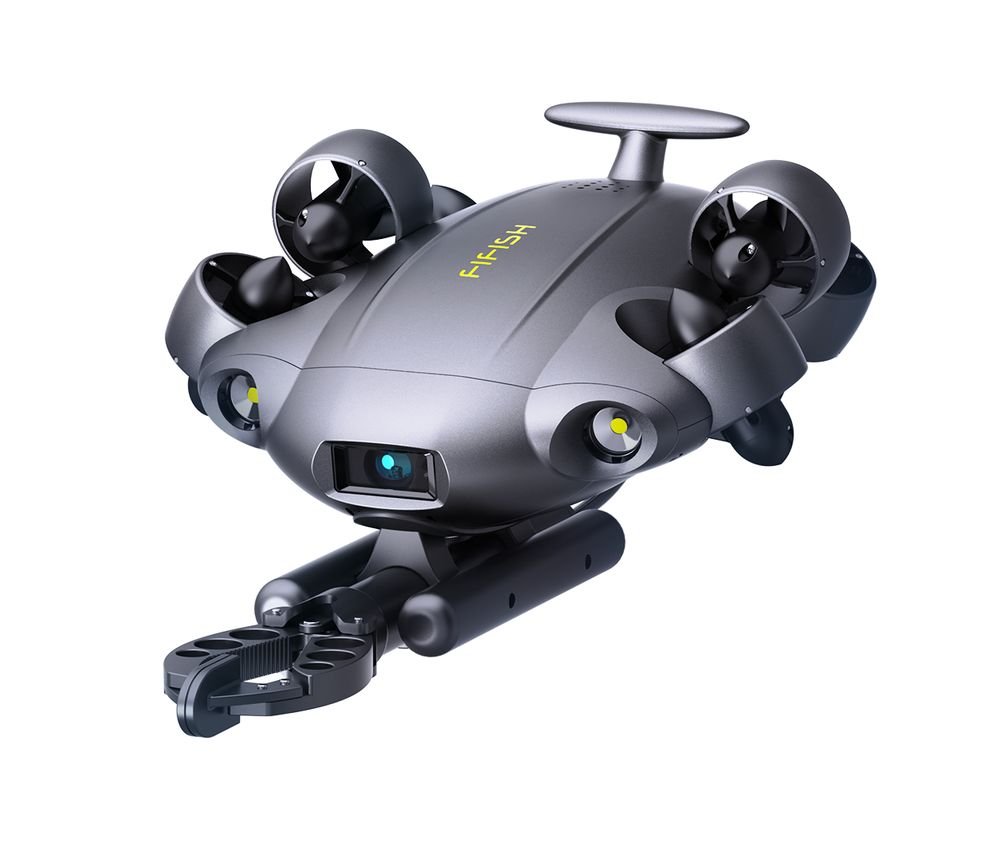 06. QYSEA FIFISH V6 Expert M100ABest tool platform | Tool carrying inspection work | Q-Interface mounts arms and sensors; 100 m tether | View on Amazon |
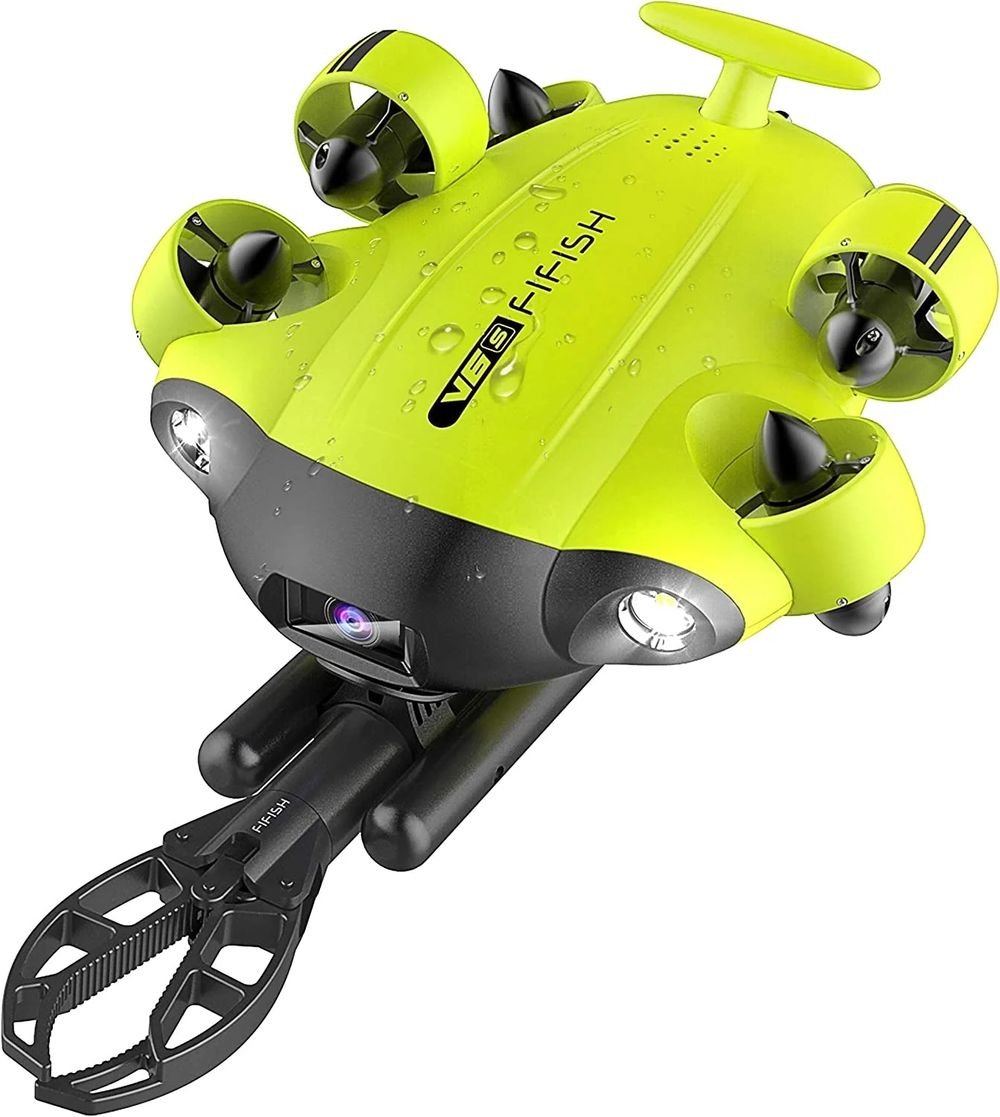 07. QYSEA FIFISH V6sBest ready-to-grab package | Retrieving lures, anchors and gear | Robotic arm included; 4K/30 camera | View on Amazon |
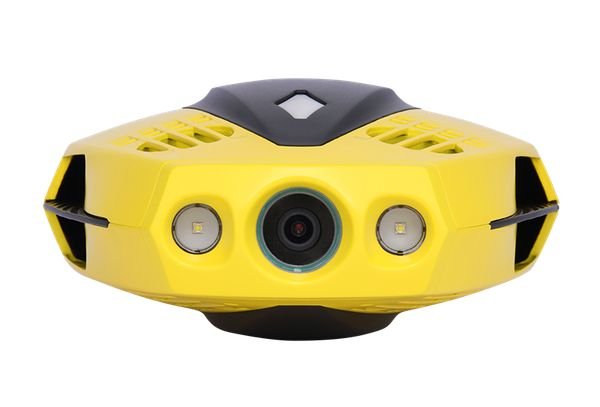 08. CHASING DoryBest portable pick | Docks, ponds and shallow scouting | 15 m depth only; the most portable here at 1.1 kg | View on Amazon |
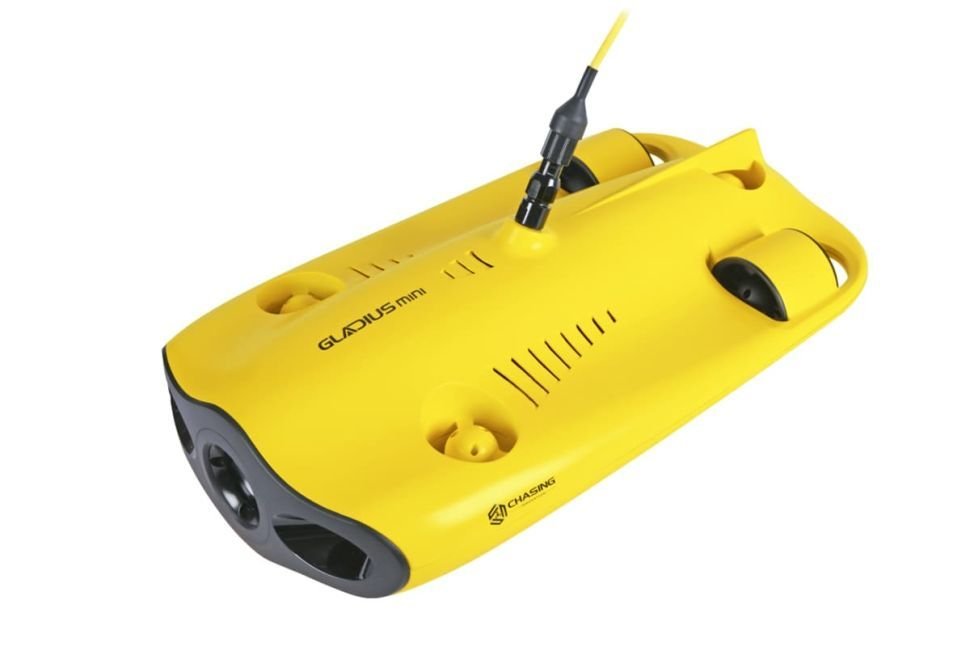 09. CHASING Gladius MiniBest legacy value | 4K on the original platform | 100 m depth, 2 hour runtime; older app generation | View on Amazon |
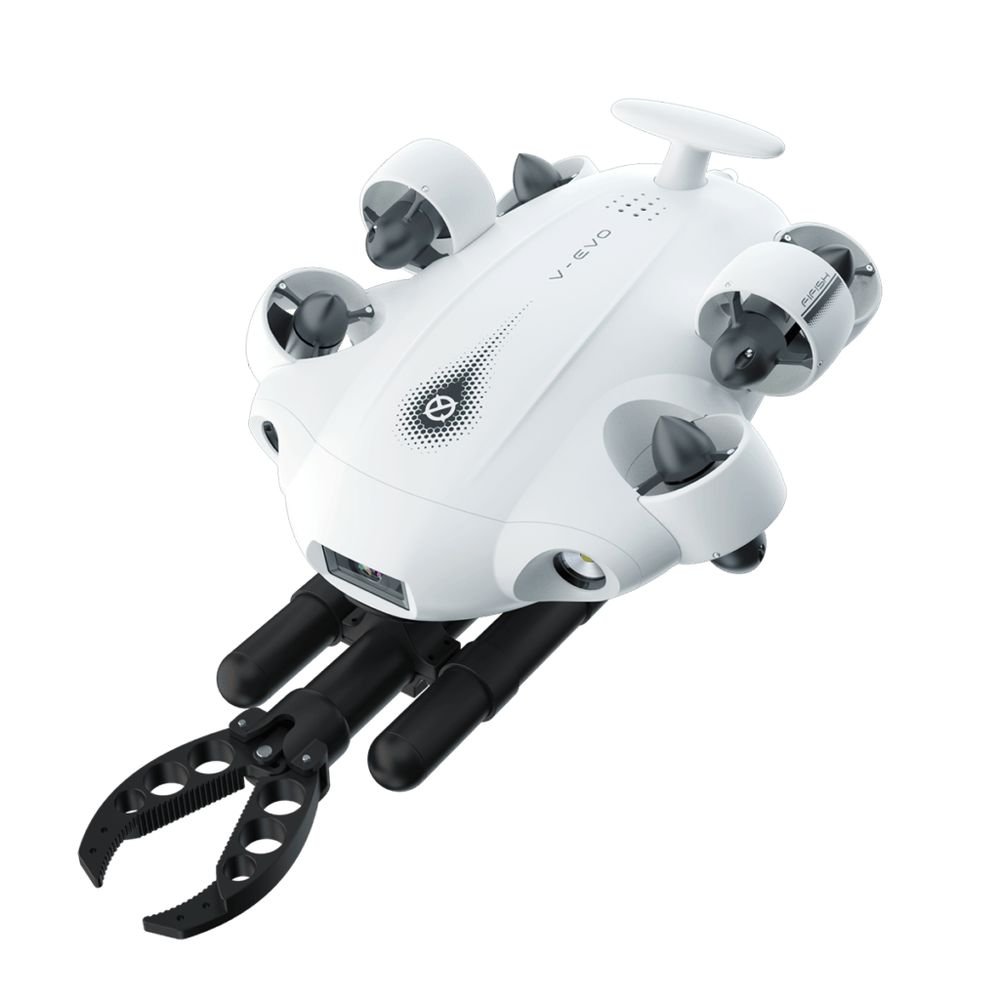 10. QYSEA FIFISH V-EVO with Robotic ArmBest 4K/60 with a claw | Grabbing gear with the best camera | 4K/60 plus a parallel gripper; arm adds drag | View on Amazon |
Look closer
Our 10 picks, explained
These picks come from desk research, not hands-on testing: we compared manufacturer spec sheets line by line, then cross-checked owner feedback and published reviews to see which claims hold up around docks, wrecks and brush piles.
PowerVision PowerRay Wizard
Every other drone on this list finds fish with its camera. The PowerRay Wizard finds them with sonar first. Its detachable PowerSeeker unit scans down to 40 m, reporting fish, depth and water temperature to the app. Once you have a mark, the ROV goes down to look: a 4K camera with a roughly 100 degree lens streams 1080p live video up the 70 m tether, twin lights cut the gloom, and the remote control bait drop lets you release bait or a rigged line right over the fish instead of casting and hoping. Runtime is up to 4 hours at cruising speed. The honest limit is depth, capped at 30 m, so check kit contents carefully when ordering.
- Max depth
- 30 m (98 ft)
- Camera
- 4K UHD video, 12MP stills
- Fishing kit
- PowerSeeker sonar, bait drop, VR goggles
Reasons to choose it
- True sonar fish finder included
- Remote bait drop over the mark
- Up to 4 hours of runtime
Trade-offs to know
- 30 m depth ceiling, shallowest of the deep picks
- Older platform, kit contents vary by seller
Choose this if: you fish from a boat, dock or ice and want sonar plus eyes on the fish.
Consider another option if: you want sharper video instead, the FIFISH V-EVO shoots 4K/60.
QYSEA FIFISH V-EVO
The V-EVO treats fishing as a filming job. Its 1/2.3 inch Sony sensor records 4K at 60 frames per second, so a strike stays smooth in slow motion, and the 166 degree lens takes in a whole brush pile at once. AI Vision Lock is the feature anglers will actually use: tap a stump, a rock or a bait ball and the ROV holds it centered while you work the rod. Six thrusters give true omnidirectional movement, including sideways slides along a weed line, and 5,000 lumens of LED light reach into shade. Expect up to 4 hours of runtime in calm water. There is no sonar and no arm in the standard kit, so it scouts and films rather than grabs.
- Max depth
- 100 m (328 ft)
- Camera
- 4K/60, 12MP, 166 degree lens
- Lights
- 5,000 lumens
Reasons to choose it
- Only 4K/60 camera on this list
- AI Vision Lock holds subjects in frame
- Removable SD card for a fast workflow
Trade-offs to know
- No sonar, camera scouting only
- Arm is a separate purchase
Choose this if: you want the clearest possible view of fish and structure.
Consider another option if: you want a claw in the box, the FIFISH V6s includes one.
CHASING M2 S
Fishing spots are rarely open water: they are dock pilings, sunken trees and boat hulls, and the M2 S is built to work inside that clutter. Eight vectored thrusters give it genuine omnidirectional control, so it can crab sideways along a seawall or pivot in place over a wreck. Anti-stuck motors reverse out of weed and line, the two biggest ROV killers around fishing structure. The camera shoots 4K video with electronic stabilization and 12MP stills through a 150 degree lens, lit by 4,000 lumens in total. The 97.68 Wh battery unclips and swaps in seconds, which turns a long scouting session into a relay instead of a recharge wait. Rated runtime runs 2 to 4 hours depending on throttle.
- Max depth
- 100 m (328 ft)
- Thrusters
- 8 vectored, anti-stuck
- Battery
- 97.68 Wh swappable, up to 4 h
Reasons to choose it
- 8 thrusters for true sideways movement
- Swappable battery keeps sessions going
- Mounts accept a claw and other tools
Trade-offs to know
- Heaviest CHASING here at 4.5 kg
- Controller and case add bulk on small boats
Choose this if: you scout complex structure and hate waiting on chargers.
Consider another option if: you want simpler and lighter, the Gladius Mini S covers most water.
QYSEA FIFISH V6 Expert M200A
Deep wrecks, offshore ledges, wintering holes and dam faces sit far below the reach of the other picks, and the M200A is the one built for them. It is rated to 200 m on a 200 m tether, carries 6,000 lumens of light for water that sunlight barely touches, and runs up to 6 hours in still conditions on its 156 Wh battery. The Q-Interface port mounts the included two finger robotic arm or other tools, and the gripper clamps with a force around 100N for recovering gear from the bottom. Posture lock holds pitch and roll within a tenth of a degree while you work. For shallow dock work it is frankly more machine than the job needs.
- Max depth
- 200 m (660 ft)
- Tether
- 200 m with spool
- Camera
- 4K UHD, 12MP, 166 degree lens
Reasons to choose it
- 200 m rating, deepest on this list
- Robotic arm and case in the kit
- 6 hour still water runtime
Trade-offs to know
- Professional size and price class
- Overkill for shallow, casual scouting
Choose this if: your spots are deep wrecks, ledges or dam faces.
Consider another option if: 100 m is plenty, the M100A is the same platform in a lighter kit.
CHASING Gladius Mini S
The Gladius Mini S is where the CHASING line gets serious without getting complicated. It dives to 100 m on a 100 m tether, records 4K video at 30 fps and 1080p at up to 120 fps for slow motion strikes, and shoots 12MP stills through a wide 152 degree lens with electronic stabilization. Twin 1,200 lumen lights handle dusk and murk, and the runtime figure stands out: up to 4 hours from its battery packs, the longest in this size class. At 2.7 kg it travels in a backpack. For fishing, that mix covers dock scouting, hull checks and reef exploration without the weight of the tool carrying platforms.
- Max depth
- 100 m (328 ft)
- Camera
- 4K/30, 12MP, 152 degree lens
- Runtime
- Up to 4 hours
Reasons to choose it
- 100 m depth with 4 hour runtime
- Slow motion 1080p at 120 fps
- Backpack friendly 2.7 kg body
Trade-offs to know
- No arm or sonar options in the box
- Tether management takes practice
Choose this if: you want one capable ROV for docks, reefs and hulls.
Consider another option if: you need sideways thrust in current, step up to the M2 S.
QYSEA FIFISH V6 Expert M100A
The ROV itself is strong: 100 m depth, six thrusters, a 4K camera on a 166 degree lens, 6,000 lumens of light and up to 6 hours of runtime in still water from a 156 Wh battery. What sets the M100A kit apart is the Q-Interface, the QYSEA accessory port. The kit already includes the two finger robotic arm for grabbing snagged lures, lost anchors and sampling gear, plus an industrial case that swallows the ROV, tether and controller. From there the catalog opens up: measurement lasers, extra cameras, water quality sensors. For an angler who also inspects docks and moorings, that growth path is the point.
- Max depth
- 100 m (328 ft)
- Lights
- 6,000 lumens (2 x 3,000)
- Battery
- 156 Wh, up to 6 hours
Reasons to choose it
- Q-Interface grows with add-on tools
- Arm and industrial case included
- 6,000 lumens for dark water
Trade-offs to know
- 4.6 kg before the case and tether
- Pro pricing for a fishing hobby tool
Choose this if: you want one ROV that can add tools over time.
Consider another option if: you only need depth, the M200A doubles the rating.
QYSEA FIFISH V6s
Every angler has donated gear to the bottom: anchors, pliers, a rod that went swimming. The V6s is the recovery tool for that list. Its robotic arm is part of the standard package, with a claw that opens roughly 5.5 inches and clamps with enough force to lift several kilograms of lost hardware. The ROV around it is a full V6 generation machine: 100 m depth on a 100 m tether, six thrusters, 4K video and 12MP stills, plus 4,000 lumens of light to find what you dropped. Posture lock holds its angle within a tenth of a degree while the claw works, and the big 155.5 Wh battery supports up to 6 hours of ROV time in calm conditions.
- Max depth
- 100 m (328 ft)
- Arm
- Robotic claw included
- Runtime
- Up to 6 hours (155.5 Wh)
Reasons to choose it
- Robotic arm included in the box
- Long 6 hour rated runtime
- Posture lock steadies grab work
Trade-offs to know
- Camera is 4K/30, a step behind the V-EVO
- Arm slows the ROV and snags weed
Choose this if: your bottom holds gear you want back.
Consider another option if: you care more about film quality, the V-EVO is the sharper camera.
CHASING Dory
Most fishing scouting happens under the dock, along the seawall and around the kayak. The Dory was designed for exactly that water. It weighs 1.1 kg, fits in a daypack and needs no controller at all: a floating WiFi buoy links the 15 m tether to your phone, where twin virtual sticks fly it. The camera records 1080p video and 2MP stills through a bright f/1.6 lens with a color restore algorithm, lit by two 250 lumen lights. Depth lock and a plus or minus 45 degree tilt lock let you park it and watch a piling or a bait school. Runtime is about an hour, and 15 m is the hard ceiling. For shallow scouting with zero fuss, nothing here is simpler.
- Max depth
- 15 m (49 ft)
- Weight
- 1.1 kg
- Camera
- 1080p video, 2MP stills
Reasons to choose it
- 1.1 kg, no controller to pack
- Phone control with live 720p view
- Depth lock and tilt lock for watching spots
Trade-offs to know
- 15 m maximum depth
- About 1 hour of runtime
Choose this if: you fish docks, ponds, kayaks and shallow bays.
Consider another option if: you need real depth, the Gladius Mini S reaches 100 m.
CHASING Gladius Mini
The Gladius Mini is the design that proved a consumer ROV could be small, affordable and still dive to 100 m. It records 4K UHD video and 12MP stills, streams a 1080p live view, and uses five thrusters with depth lock and tilt lock to hold a shot steady around structure. Twin 1,200 lumen lights are fitted, and runtime runs about 2 hours per charge. The huge owner base means accessories, spare tethers and advice are easy to find. The compromises are generational: no electronic stabilization on the level of the Mini S, a 50 m tether in the standard box with 100 m as the upgrade, and an app experience that shows its age. As the budget door into 100 m water, it still makes sense.
- Max depth
- 100 m (328 ft)
- Camera
- 4K UHD, 12MP stills
- Runtime
- About 2 hours
Reasons to choose it
- Proven 100 m platform with 4K
- Huge owner and accessory community
- Depth lock and tilt lock modes
Trade-offs to know
- About 2 hours of runtime
- Standard tether is 50 m
Choose this if: you want the proven budget route to 100 m.
Consider another option if: you want the modern version, the Gladius Mini S doubles the runtime.
QYSEA FIFISH V-EVO with Robotic Arm
This kit simply starts where most V-EVO owners end up: camera plus arm. The ROV is the full V-EVO: 4K/60 video, 12MP stills, a 166 degree lens, AI Vision Lock and 5,000 lumens of light, with up to 4 hours of runtime. Underneath sits the parallel gripper, a robotic claw with a clamping force around 100N that can drag, tow and salvage objects, opening about 4.7 inches to take flat and awkward shapes. For fishing, that pairing is genuinely useful: scout the brush pile, then go back down and pull your snagged crankbaits out of it. The trade-off is hydrodynamic: the arm adds drag and gives weed something to grab.
- Max depth
- 100 m (328 ft)
- Camera
- 4K/60, 12MP, 166 degree lens
- Arm
- Parallel gripper, about 100N clamp
Reasons to choose it
- Best camera here, plus a working claw
- Gripper handles flat, awkward objects
- Same 100 m depth and Vision Lock
Trade-offs to know
- Arm adds drag and snag points
- Two tools to learn at once
Choose this if: you want filming and retrieving in one purchase.
Consider another option if: you only film, the standard V-EVO is the cleaner tool.
Buy with confidence
How to choose the right underwater drone for fishing
Four checks that matter more than any headline spec when the drone has to find fish, not just swim.
01. Accept the tether
Every underwater drone on this list is a tethered ROV. Radio and WiFi signals fade within inches underwater, so the cable carries the control signals and live video, and it doubles as your recovery line. The tether sets your working radius and can foul on the structure you are scouting, so managing it is a skill the first session teaches.
02. Camera eyes vs real sonar
Only the PowerRay Wizard carries true sonar; everything else finds fish by looking at them, which demands clear water and decent light. In stained or muddy water, camera range can shrink to a meter or two, and a conventional fish finder will out-search an ROV every time.
03. Depth and lights decide the dive
Match the rating to your water with margin: a 100 m ROV works a 30 m wreck comfortably, while the Dory and its 15 m ceiling suit docks and ponds. Lights matter as much as depth. Below a few meters your own LEDs become the sun, so lumen counts decide what the camera sees.
04. Arms are specialists, not toys
A robotic claw changes what an ROV is for: retrieving snagged lures, lost anchors and dropped phones, or placing a bait precisely. Buy an arm if retrieval is a real job on your list. If you only want to look, the cleaner camera-only models fly better and cost less to run.
Behind the recommendations
How we selected these products
This guide is built on desk research, not hands-on testing. We compared official manufacturer spec sheets for every consumer underwater drone with a genuine fishing use case, then cross-checked the shortlist against retailer listings, owner feedback and published reviews. Specs were rechecked against the sources below in October 2026. Depth, runtime and light figures are manufacturer ratings measured in calm test conditions, so treat them as ceilings rather than promises.
- Depth and tether: maximum rated depth and the tether length in the box, since the shorter of the two is your real working limit.
- Camera and lights: sensor, video modes, lens angle and lumen output, the trio that decides what you can actually see in green or dark water.
- Fishing extras: sonar, bait drop and robotic arms scored separately, because most ROVs are inspection cameras first and fishing tools second.
- Limitations: we did not dive these ROVs for this guide, and kit contents vary by seller and region, so confirm the exact package before buying.
Common questions
Before you buy
Can an underwater drone actually find fish?
Yes, with a caveat: a camera ROV confirms fish on a specific spot, like a dock piling or a brush pile. It is slow at searching new water, because you see only a few meters at a time. The PowerRay Wizard is the exception, since its PowerSeeker sonar scans for fish and structure first. Most anglers pair an ROV with a normal fish finder: sonar to search, camera to confirm.
Why do all underwater drones have a cable?
Physics. Radio waves, including WiFi and GPS, are absorbed by water within inches, so no wireless control link works below the surface. The tether carries the control signals and the live video feed, and on most models it also serves as a safety line if a thruster fails. Buoy models like the Dory float a WiFi buoy on the surface, so your phone stays wireless.
How deep do I actually need for fishing?
Shallower than the spec sheets suggest. Most freshwater structure fishing happens above 20 m, and docks, ponds and flats sit above 10 m, where even the 15 m Dory works. Deep wrecks, offshore ledges and dam faces are the cases that justify 100 m and 200 m ratings. Buy depth for the water you fish.
Can these drones drop bait or retrieve lures?
Some can. The PowerRay Wizard includes a remote control bait drop that releases bait over a marked spot. Models with robotic arms, the FIFISH V6s, the V6 Expert kits and the V-EVO arm package, can grip and lift lost lures, anchors and other small gear.
Choose the ROV that matches your water
Start with the PowerVision PowerRay Wizard if fishing features come first: it is the only pick that finds fish with sonar and feeds them with a bait drop. Choose the FIFISH V-EVO when the camera matters most, and the CHASING M2 S when your spots are tight, snaggy structure.
Sources and verification
Product specifications and claims in this guide were checked against the following sources, listed by name as a record of what was consulted.
- PowerVision PowerRay official specifications and PowerSeeker documentation (powervision.me)
- CHASING Dory, Gladius Mini S, Gladius Mini and M2 S official specifications (chasing.com)
- QYSEA FIFISH V-EVO, V6 Expert and V6s official specifications (qysea.com)
- Manufacturer user manuals for each shortlisted ROV (PowerVision, CHASING, QYSEA)
- Retailer listings and owner feedback for the shortlisted models, cross-checked in October 2026