

As an Amazon Associate I earn from qualifying purchases. If you buy through links in this article, we may earn a commission at no extra cost to you.
These are the 10 best affordable drones for beginners: first fliers that are kind to new pilots without being toys you will outgrow by spring. Every pick is easy to launch, hard to lose thanks to GPS or careful sensing on most models, and light enough to keep the rules simple. The first three cover the safest starts; the rest trade up in camera, battery and room to grow.
Short on time?
Start with these three picks
The safest all-round start, the friendliest palm flier, and the GPS budget pick.

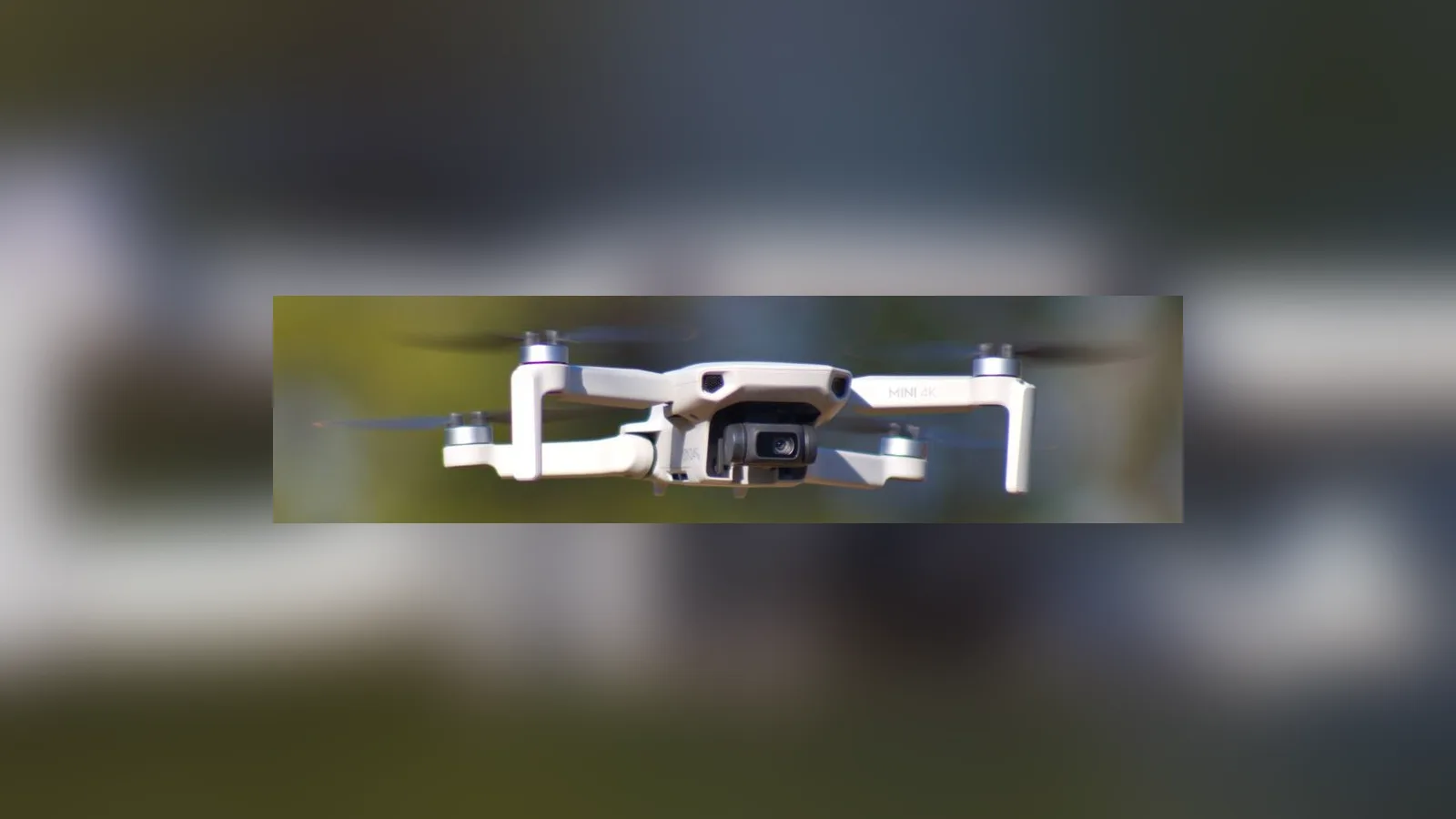
DJI Mini 4K
The complete beginner package at the friendly end of DJI: steady GPS manners, automatic return to home, a 4K camera and QuickShots that make early flights look skilful. No obstacle sensing, so open fields are its classroom.
View on Amazon Read the full review ↓
DJI Neo
The zero-setup starter: it takes off from your palm, follows you automatically and lands back in your hand, with a 4K camera at just 135 g. No GPS and 18 minute batteries keep it close and casual.
View on Amazon Read the full review ↓
Potensic Atom SE
Real GPS behaviour at the budget end: satellite hold, automatic return to home and 31 minute batteries at 249 g, with 4K EIS video. The single-axis gimbal is the visible compromise.
View on Amazon Read the full review ↓The shortlist
Compare all 10 at a glance
Every pick here is an affordable starter; the table shows what each one prioritises: sensing, camera, battery or simplicity.
| Product / award | Best fit | Key decision point | Check current offer |
|---|---|---|---|
| 01. DJI Mini 4KBest overall | Most first-time pilots | GPS failsafes and QuickShots; 4K/30, 31 min | View on Amazon |
| 02. DJI NeoBest value | Beginners who want instant fun | Palm launch, no controller needed; 135 g | View on Amazon |
| 03. Potensic Atom SEBest GPS pick | Budget beginners who want satellite safety | GPS plus GLONASS, return to home; 31 min | View on Amazon |
 04. DJI Mini 3Best camera step-up | Beginners who care about photos early | 48MP 1/1.3-inch camera; 38 min, GPS hold | View on Amazon |
 05. DJI Neo 2Best palm-launch plus | Beginners who want palm launch with real safety | Palm launch plus GPS and full sensing; 151 g | View on Amazon |
 06. DJI FlipBest for filming yourself | Solo beginners and new creators | Guarded palm flier; 48MP, 4K/60 HDR | View on Amazon |
 07. Potensic Atom 2Best room to grow | Beginners planning to stick with the hobby | Full GPS feature set; 4K HDR, 32 min | View on Amazon |
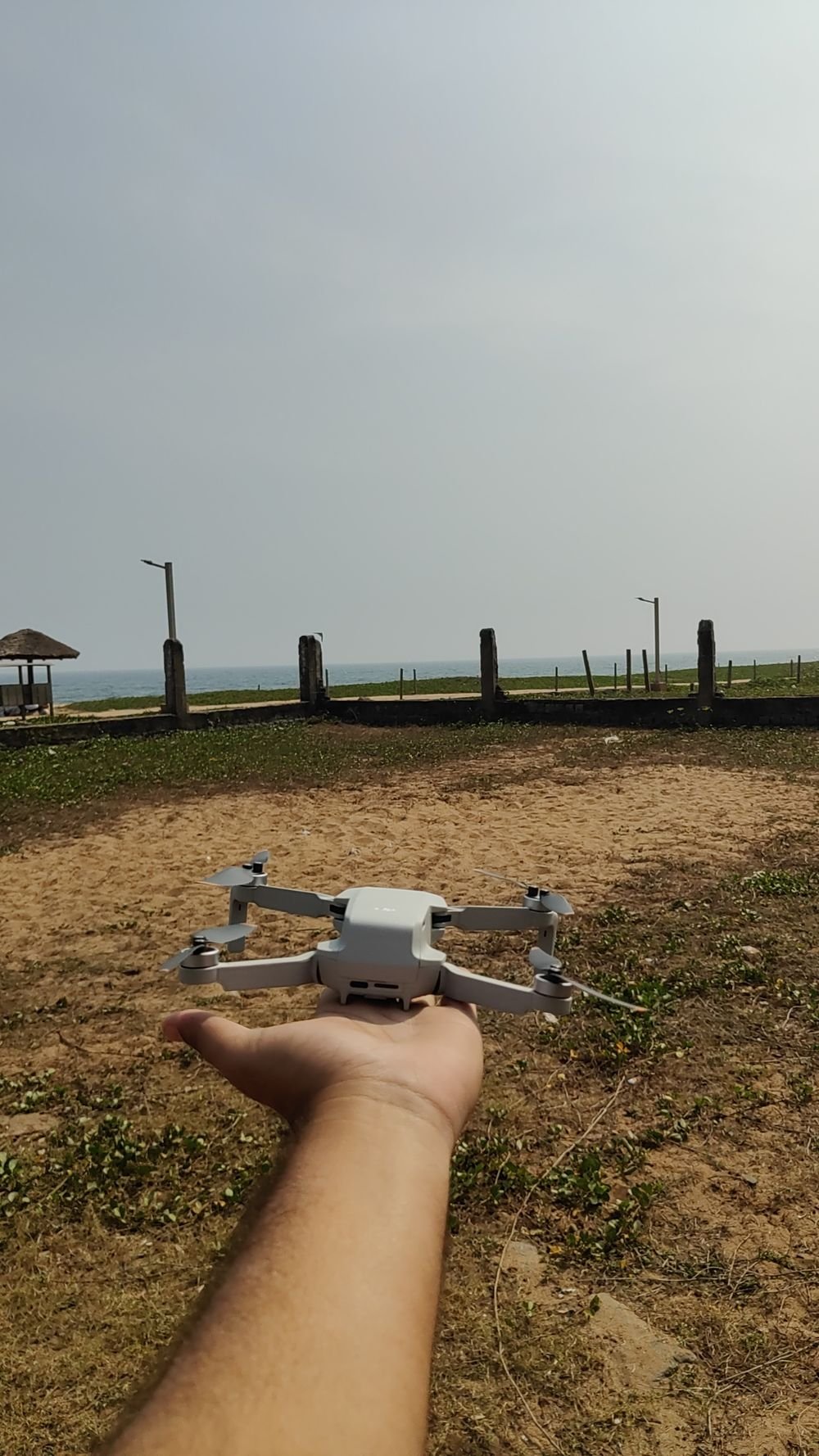 08. DJI Mini 2 SEBest simple starter | Beginners who want DJI, minus the extras | GPS essentials, DJI polish; 2.7K, 31 min | View on Amazon |
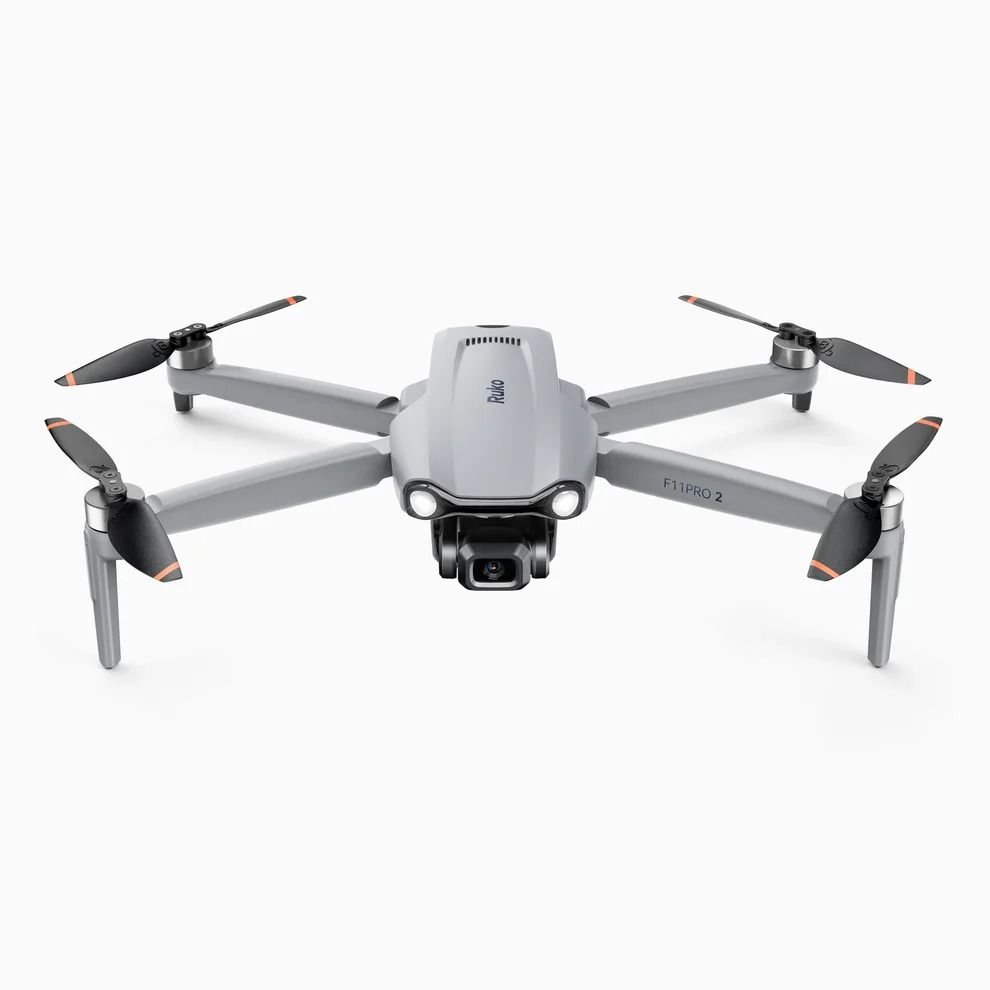 09. Ruko F11 Pro 2Best big and steady | Beginners who prefer a substantial drone | 35 min batteries, two included; 4K gimbal | View on Amazon |
 10. Holy Stone HS720Best guided flight modes | Beginners who learn by using auto modes | GPS auto flight modes; 4K EIS, 26 min | View on Amazon |
Look closer
Our 10 picks, explained
Ordered for a brand-new pilot: the safest, simplest starts first, then the picks with more camera and more room to grow.
DJI Mini 4K
The Mini 4K succeeds as a first drone because it removes anxiety. GPS and downward vision sensors hold it steady while you think, return to home rescues low batteries and lost signals, and altitude and distance limits can be set while confidence grows. The 4K/30 camera on its 3-axis gimbal produces footage that looks far beyond beginner level, and QuickShots automate orbits and reveals for instant wins. Flight time is rated at 31 minutes and the O2 link at 10 km, both well beyond first-month needs. The camera sensor is small, so dusk is not its friend, and there is no obstacle sensing. As the default first DJI for new pilots, it is hard to argue with.
- Positioning
- GPS, downward vision and barometer
- Flight time
- 31 min rated
- Camera
- 1/2.3-inch CMOS, 12MP, 4K/30
Reasons to choose it
- Calm, trustworthy DJI flight behaviour
- Automatic return to home and beginner limits
- QuickShots make first videos look planned
Trade-offs to know
- Small sensor, ordinary low-light stills
- No obstacle sensing
Choose this if: you want the standard, sensible first drone with no drama.
Consider another option if: setup itself feels daunting, the DJI Neo launches from your palm with no controller at all.
DJI Neo
The Neo removes every barrier between a beginner and a first flight. Open your palm and it takes off, follows you using AI subject tracking, flies preset paths like orbits and reveals, then returns to your hand. There is no controller to pair and no sticks to master on day one, though a controller and goggles can join later. The 1/2-inch 12MP camera shoots 4K/30 video that looks great on a phone screen. The limits define it: no GPS receiver, so positioning relies on vision sensors and a barometer, wind bullies the 135 g frame, and the rated 18 minutes passes quickly. As a first taste that hooks people on flying, it is superb value.
- Camera
- 1/2-inch CMOS, 12MP, 4K/30
- Flight time
- 18 min rated
- Takeoff weight
- 135 g with palm launch
Reasons to choose it
- No controller or setup needed to start
- Automatic tracking and preset flight paths
- Featherweight and genuinely fun
Trade-offs to know
- No GPS, calm and close flying only
- 18 minute batteries
Choose this if: you want to be flying and filming within a minute of opening the box.
Consider another option if: you want GPS safety from the start, the Potensic Atom SE adds satellite hold and return to home at a similar level.
Potensic Atom SE
First drones get lost when they drift and panic their pilots; the Atom SE is built not to. GPS and GLONASS positioning hold it in a fixed hover outdoors, and if the battery fades or the signal drops it climbs, returns and lands by itself. That safety net makes its 31 minute rated batteries feel twice as useful for learning. The camera records 4K video with electronic stabilisation on a single-axis gimbal and 12MP stills: decent for practice and sharing, visibly softer than a 3-axis rig in turns. PixSync 2.0 reaches a rated 4 km, and modes like follow and waypoint are included. For satellite safety at the lowest step here, it is the pick.
- Positioning
- GPS and GLONASS with return to home
- Flight time
- 31 min rated per battery
- Camera
- 1/2-inch CMOS, 12MP, 4K EIS video
Reasons to choose it
- Real GPS hold and return to home
- 31 minute rated batteries
- 249 g keeps rules simple in many places
Trade-offs to know
- Single-axis gimbal, electronic stabilisation only
- 4 km link is modest
Choose this if: your first drone must have GPS, and the budget is firm.
Consider another option if: the camera matters as much as the safety, the Potensic Atom 2 is the same family with a 3-axis gimbal and 4K HDR.
DJI Mini 3
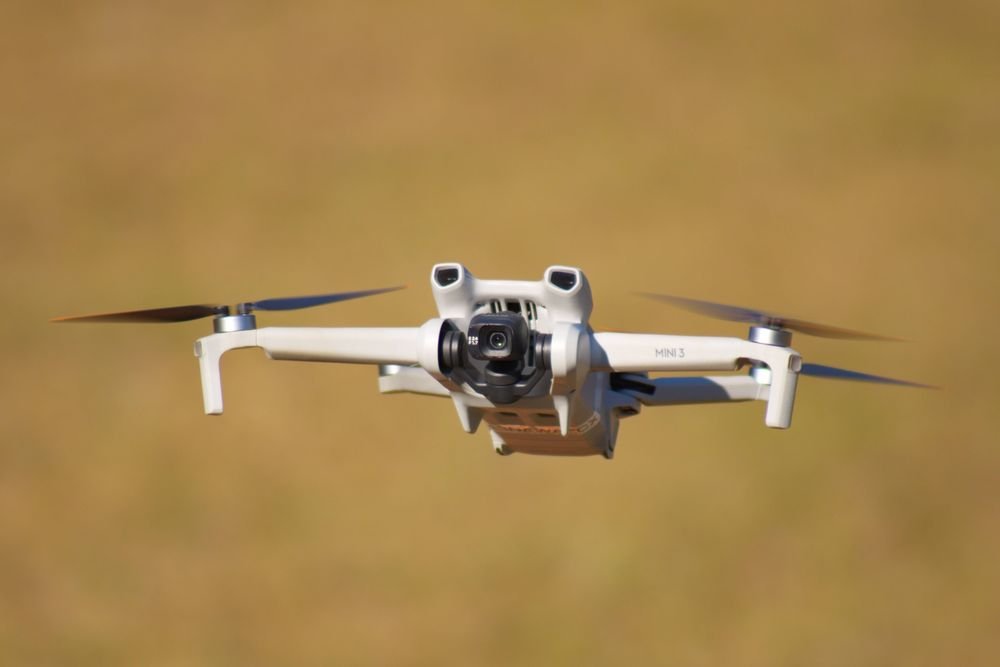
Some beginners outgrow a starter camera in a month; the Mini 3 delays that day. Its 1/1.3-inch 48MP sensor shoots stills and 4K/30 HDR video a class above the small-sensor starters, and the rotating gimbal gives true vertical shots for social feeds. The rated 38 minute battery is the longest here, which turns practice sessions into proper photo walks. GPS with downward vision holds position calmly, QuickShots automate the classic moves, and return to home covers the end of the battery. What it lacks is obstacle sensing and ActiveTrack, so tracking shots of moving subjects are manual work. If your beginner phase is really about learning photography, start here.
- Camera
- 1/1.3-inch CMOS, 48MP, 4K HDR
- Flight time
- 38 min rated
- Positioning
- GPS and downward vision positioning
Reasons to choose it
- Best camera in this beginner guide
- 38 minute rated battery
- True vertical shooting built in
Trade-offs to know
- No obstacle sensing
- No subject tracking
Choose this if: you are a photographer first and a pilot second.
Consider another option if: tracking shots matter from the start, the DJI Flip follows you automatically with full prop guards.
DJI Neo 2
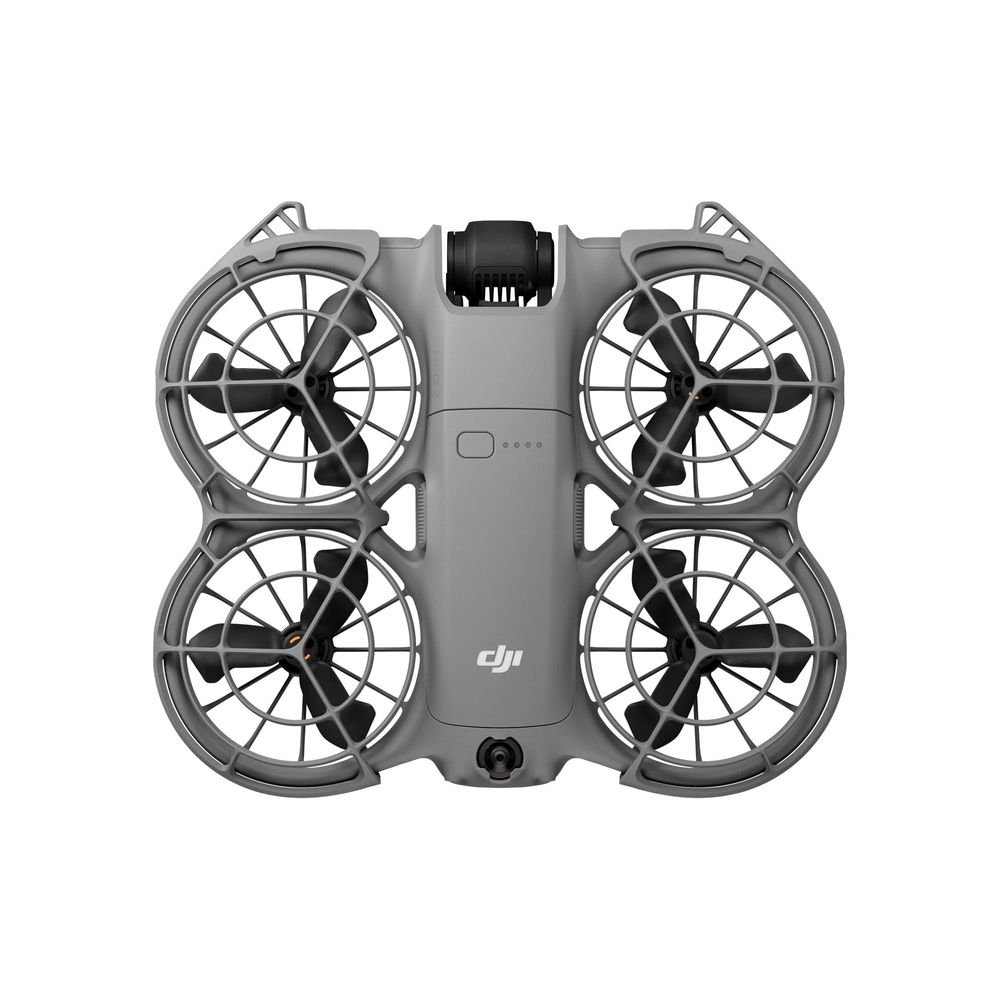
Where the original Neo asked beginners to stay close and calm, the Neo 2 brings the safety systems that let them relax. GPS with Galileo and BeiDou means it knows the way home, omnidirectional sensing with forward LiDAR watches for obstacles, and the palm-launch, follow-me flying that made the Neo famous is all still here, controller optional. The 1/2-inch 12MP camera shoots 4K video fit for social clips, and 151 g makes the whole thing feel like a toy in the best way, until the sensing saves it like a tool. The ceiling is the battery: 19 minutes rated, and a light frame that wind pushes around. For nervous first-timers, it is the gentlest full-featured start.
- Camera
- 1/2-inch CMOS, 12MP, 4K video
- Flight time
- 19 min rated
- Positioning
- GPS, Galileo and BeiDou
Reasons to choose it
- Palm launch with automatic tracking
- GPS and omnidirectional sensing together
- Only 151 g, nothing to assemble
Trade-offs to know
- 19 minute batteries pass quickly
- Light frame gets pushed around in wind
Choose this if: you want palm-drone simplicity with grown-up safety systems.
Consider another option if: longer flights matter more than palm tricks, the DJI Mini 4K flies 31 minutes with a proper controller.
DJI Flip
Filming yourself as a beginner usually means a tripod and hope; the Flip replaces both. It launches from your palm, locks onto you with AI subject tracking and flies follow, orbit and reveal shots hands-free, while full-coverage propeller guards make the close flying feel safe for pilot and subject alike. Unlike most palm drones, the camera is serious: a 1/1.3-inch 48MP sensor with 4K/60 HDR video and 4K/100 slow motion on a 3-axis gimbal. Forward infrared and downward sensing help, but there is no side or rear obstacle avoidance, so give automated shots open space. Flight time is rated at 31 minutes. For new creators, it is the most encouraging start here.
- Camera
- 1/1.3-inch CMOS, 48MP, 4K/60 HDR
- Flight time
- 31 min rated
- Takeoff
- Palm launch with AI subject tracking
Reasons to choose it
- Hands-free tracking with full prop guards
- Genuine 48MP camera, best on a palm drone here
- Voice control and palm takeoff
Trade-offs to know
- Sensing is forward and downward only
- Guarded design folds bulkier than a Mini
Choose this if: your first videos star you, and nobody else is holding a controller.
Consider another option if: you will mostly film landscapes and places, the DJI Mini 3 spends the money on battery and camera instead of tracking.
Potensic Atom 2
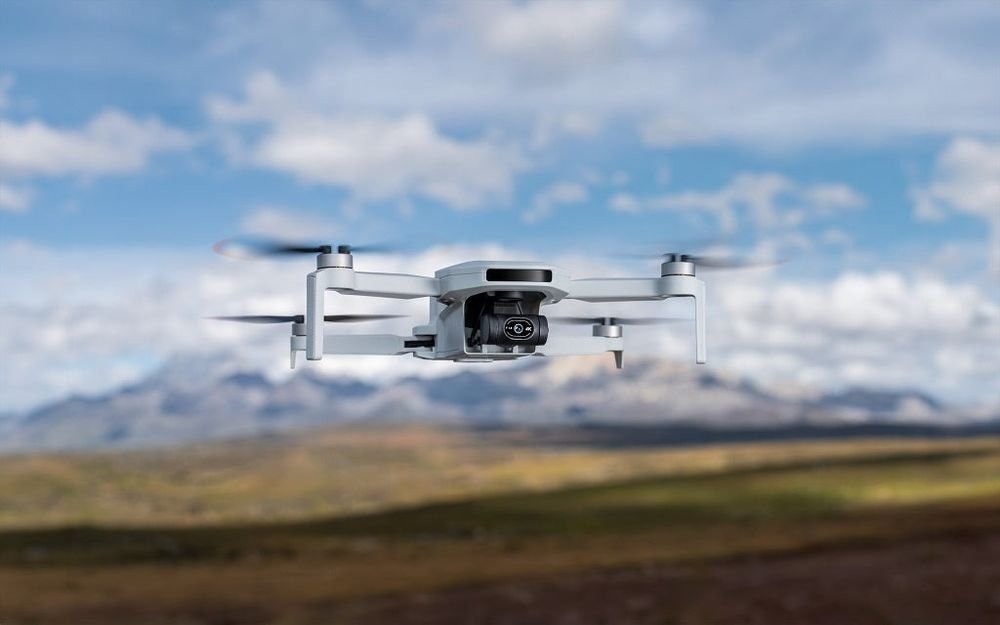
Most starter drones are bought twice: the toy, then the real one. The Atom 2 tries to be the real one from day one. GPS, GLONASS, Galileo and BeiDou positioning deliver firm holds and a reliable return to home, and the feature list includes subject tracking and waypoint routes that beginners grow into over months. The 1/2-inch Sony camera shoots 4K/30 HDR video through a 3-axis gimbal and 48MP stills, the PixSync 4.0 link is claimed to reach 10 km, and batteries are rated at 32 minutes. It asks one thing of a beginner: fly it in open spaces, because there is no obstacle sensing aboard. Do that, and it will serve long past the beginner phase.
- Positioning
- GPS, GLONASS, Galileo and BeiDou
- Flight time
- 32 min rated per battery
- Camera
- 1/2-inch Sony CMOS, 48MP, 4K HDR
Reasons to choose it
- GPS feature set you will not outgrow quickly
- 3-axis gimbal with 4K HDR video
- Waypoints and tracking built in
Trade-offs to know
- No obstacle sensing
- Stills are JPEG only
Choose this if: you want one affordable drone for the whole first year, not the first month.
Consider another option if: obstacle sensing matters more than growing room, the DJI Neo 2 packs full sensing into a palm drone.
DJI Mini 2 SE
For a beginner who finds feature lists stressful, the Mini 2 SE is a relief. Underneath, it is the proven DJI mini recipe: GPS positioning with downward sensors for a steady hover, a 3-axis gimbal, an O2 link rated to 10 km and batteries rated at 31 minutes. Return to home works the way the manual promises, which is the whole ballgame for a first drone. The spec that dates it is the camera: 2.7K/30 video where most of this list now shoots 4K, and 12MP stills that are fine for sharing, not for cropping. If your flying is about the flying, with video as a souvenir, the simplicity is a feature, not a flaw.
- Positioning
- GPS with downward vision sensors
- Flight time
- 31 min rated
- Camera
- 1/2.3-inch CMOS, 12MP, 2.7K/30
Reasons to choose it
- Proven DJI GPS manners, nothing to confuse
- 10 km link and 31 min batteries
- Light and simple to live with
Trade-offs to know
- 2.7K video behind the 4K class
- Basic feature set by design
Choose this if: you want DJI reliability with the shortest possible learning curve.
Consider another option if: 4K video matters, the DJI Mini 4K is the current version of the same idea.
Ruko F11 Pro 2
Size is a beginner feature nobody advertises: a heavier drone moves less in gusts, reads as less toy-like and is easier to watch at distance. The F11 Pro 2 leans into that at 357 g, with GPS and GLONASS positioning, automatic return to home and follow and orbit modes to practise with. Its batteries are the story: 35 minutes rated each, two in the box, so a beginner session easily passes an hour of stick time. The 3-axis gimbal steadies a 4K camera, though Ruko’s camera specification has varied by production batch, so read the listing carefully. Above 250 g, registration rules apply in many jurisdictions. For patient, airtime-rich learning, it is a friendly giant.
- Positioning
- GPS and GLONASS with auto return
- Flight time
- 35 min rated per battery
- Camera
- 4K video on a 3-axis gimbal
Reasons to choose it
- Longest rated batteries in this guide
- Steadier in wind than the minis
- Two batteries in the box
Trade-offs to know
- 357 g means registration in many places
- Camera details vary by production batch
Choose this if: you learn better with a calm, substantial drone and lots of airtime.
Consider another option if: skipping registration matters, the Potensic Atom SE keeps GPS safety under 250 g.
Holy Stone HS720
The HS720 beginner pitch is automation with the training wheels visible. Its GPS drives Follow Me for moving subjects, Point of Interest for smooth orbits and tap-to-fly waypoints, so a new pilot can study how good shots are composed before flying them manually. The 460 g frame sits steadily in breezes, the camera records 4K video with electronic stabilisation and 12MP class stills, and return to home covers mistakes. Flight time is rated at 26 minutes per battery, kits usually include two, and above-250 g rules apply in many places. It is the least pocketable pick here and proud of it: a practice-field drone for learning the craft.
- Positioning
- GPS with auto return and flight modes
- Flight time
- 26 min rated per battery
- Camera
- 4K video with electronic stabilisation
Reasons to choose it
- Guided GPS modes teach shot patterns
- Substantial frame, steady in wind
- Beginner-friendly app flying
Trade-offs to know
- Electronic stabilisation, not a gimbal
- 26 minute batteries and 460 g heft
Choose this if: you want the drone to demonstrate the classic shots while you learn.
Consider another option if: a real gimbal matters more, the Ruko F11 Pro 2 adds one with longer batteries.
Buy with confidence
How to choose an affordable first drone
Four checks that keep a first drone fun instead of frustrating.
01. GPS is the beginner feature
Above every other specification, GPS hold and return to home decide whether a first drone feels calm or chaotic. Most picks here have full GPS; the little Neo trades it for pure simplicity, and the Neo 2 adds it back with sensing. Know which kind you are buying before the first takeoff.
02. Two batteries minimum
Beginners learn in sorties, and a single 20 to 30 minute battery ends every lesson just as it gets interesting. Look for kits with two batteries, or plan on a second pack soon; the Ruko and Potensic kits here build that thinking in from the start.
03. Sensing helps, space helps more
Obstacle sensing, like the Neo 2 carries, prevents the classic beginner crash, but the cheapest insurance is an open field and some altitude. Whatever you buy, fly the first batteries somewhere with nothing to hit, and let the features assist rather than rescue.
04. Under 250 g keeps it simple
Eight of these ten picks sit under the 250 g line that skips registration in many jurisdictions. The two bigger coaches, the Ruko and the Holy Stone, trade that for steadiness and airtime. Check your local rules either way; it takes five minutes and saves the hobby.
Behind the recommendations
How we selected these products
This guide is desk research aimed at first-time buyers. We compared manufacturer specifications for affordable beginner drones: positioning and failsafes, automation, cameras, rated flight times and weights, then checked the shortlist against published reviews and owner reports. Specifications were rechecked in October 2026. Affordable is described in words throughout; always check the live listing for the current offer.
- Beginner evidence: launch style, automation and failsafe behaviour taken from manufacturer specifications and manuals.
- Safety weighting: GPS hold, return to home and obstacle sensing scored ahead of top speed or link range for this audience.
- Limitations: no hands-on testing is claimed; rated flight times are ideal-condition manufacturer figures.
Common questions
Before you buy
What makes a drone good for beginners?
Three things: it stays where you leave it, through GPS hold or strong vision positioning; it can get itself home, through automatic return to home; and it forgives mistakes, through light weight, prop guards or obstacle sensing. Camera quality matters after those. A calm drone you fly weekly teaches more than a sharp one you fear to launch.
Do I need to register an affordable beginner drone?
Often not: drones under 250 g are exempt from registration for recreational use in many jurisdictions, which covers eight of these ten picks. The Ruko F11 Pro 2 and the Holy Stone HS720 sit above that line and need registration in many places. Rules change, so check your national aviation authority before the first flight.
How many batteries should a beginner buy?
Two at minimum, three if the hobby sticks. Rated batteries here run from 18 to 38 minutes, and real beginner sessions, with hovering, thinking and landing early, feel shorter. Several picks include two batteries in the box; for the rest, a second pack is the best first accessory there is.
Should a beginner start with a palm drone or a controller drone?
Palm drones like the Neo remove every setup barrier and are brilliant for close, casual clips. A controller drone like the Mini 4K teaches real flying skills and reaches further subjects. Many pilots start on a palm drone and graduate; starting on the controller drone simply skips a step.
Your first drone should make the second flight easy
Start with the DJI Mini 4K for the calmest all-round introduction, the DJI Neo if setup itself is the barrier, or the Potensic Atom SE when GPS safety has to fit the tightest budget. Then fly weekly, in open space, and let the hobby grow at its own pace.
Sources and verification
Product specifications and claims in this guide were checked against the following sources, listed by name as a record of what was consulted.
- DJI Mini 4K, Neo, Neo 2, Flip and Mini 3 official specifications (dji.com)
- DJI Mini 2 SE official specifications (dji.com)
- Potensic Atom SE and Atom 2 official specifications (potensic.com)
- Ruko F11 Pro 2 official specifications (rukotoy.com)
- Holy Stone HS720 official specifications (holystone.com)
- Manufacturer user manuals for each shortlisted drone
- Published reviews and owner feedback for the shortlisted models, cross-checked in October 2026
- National aviation authority guidance on beginner and sub-250 g drone rules